
Buyer Tips Randazzo Real Estate February 26, 2026
If you want to live on the Palos Verdes Peninsula without the typical single-family price tag, Rancho Palos Verdes condos and townhomes are worth a close look. You still get the coastline, the sunsets, and the convenience, often with lower maintenance. In this guide, you’ll see what you can buy, how HOAs and financing work, and the local risks worth checking before you write an offer. Let’s dive in.
Rancho Palos Verdes is a high-cost coastal market where single-family homes typically sell in the seven figures. Attached homes can provide a more attainable entry point, especially for buyers who value location over yard size. You will find a wide range of options, from view-driven bluff-top condos to larger interior townhomes with garages. Inventory is limited, so plan for tradeoffs between price, views, amenities, and timing.
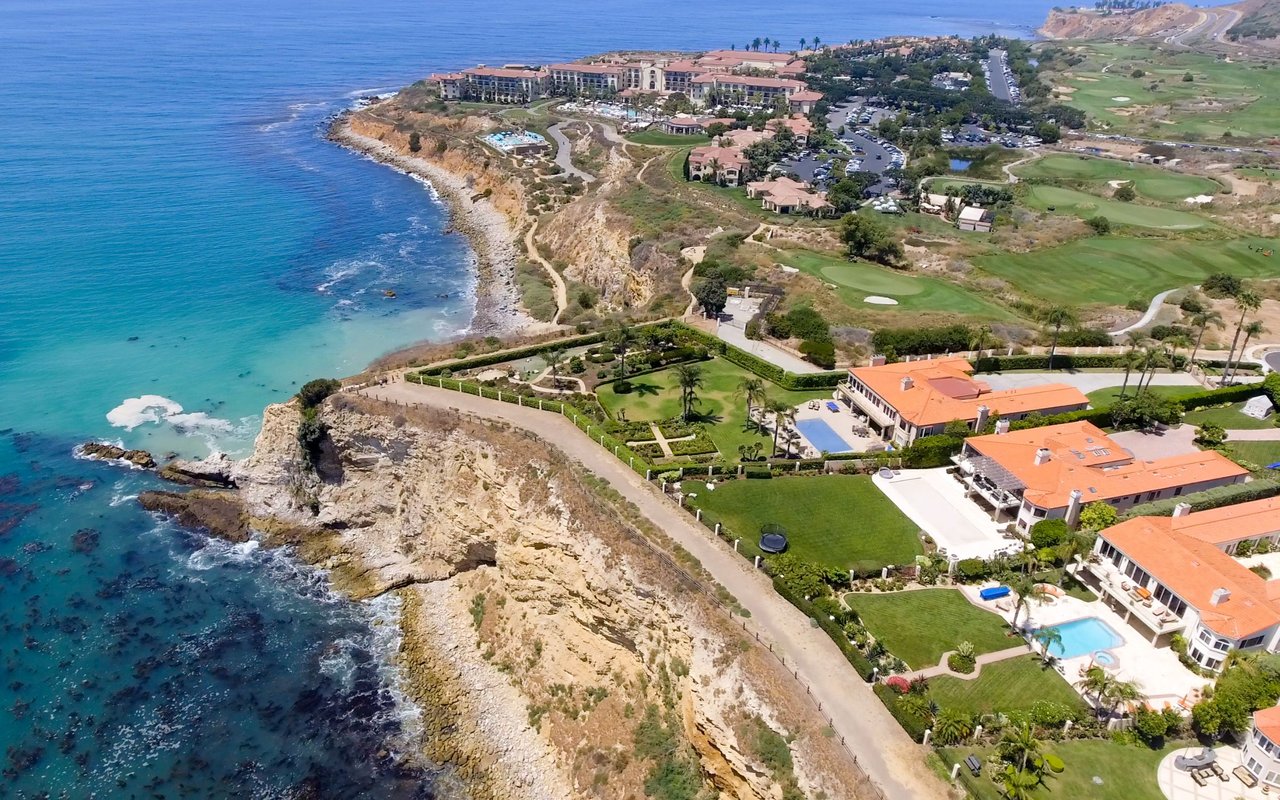
Bluff-top condominium communities in RPV often sit near the water and offer resort-style amenities. Typical layouts range from 1 to 3 bedrooms, with features like ocean-view pools, spas, clubhouses, tennis or pickleball courts, and landscaped paths to coastal trails. Many include assigned parking and extra storage. Dues tend to be higher than interior options because of amenity upkeep and coastal maintenance needs.
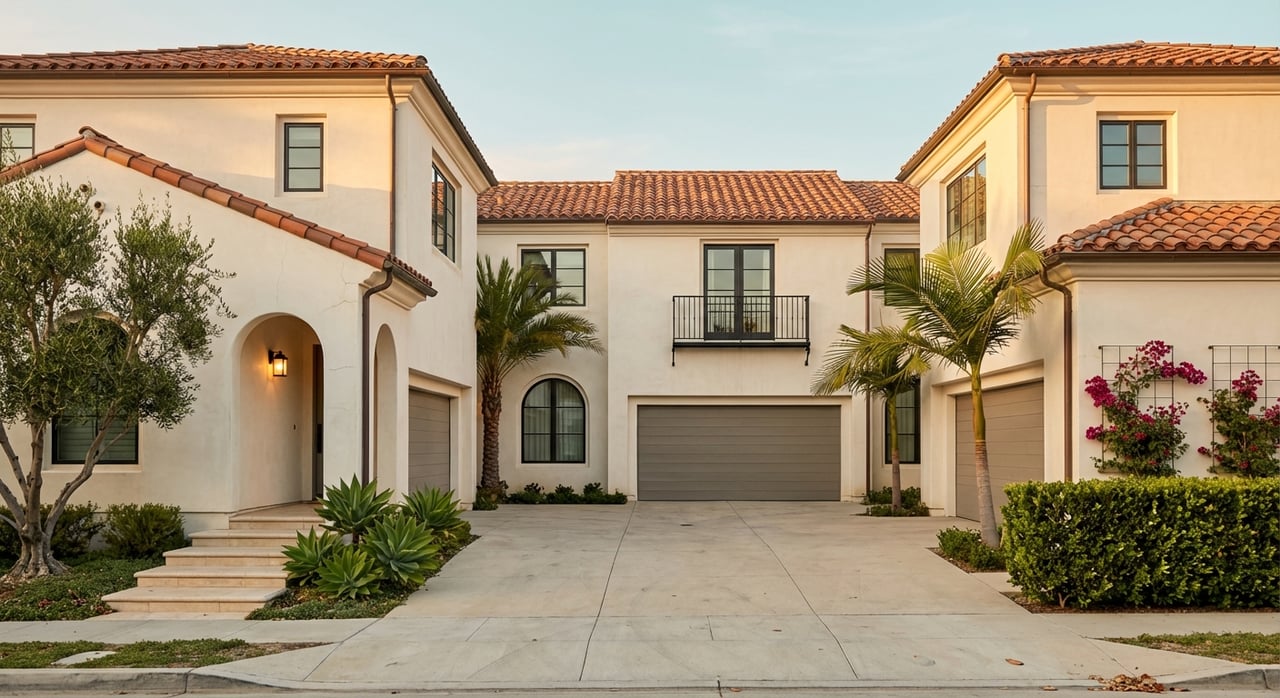
Interior gated townhome neighborhoods such as Ridgegate, Mira Verde, and The Hill offer multi-level living and private garages. Floor plans commonly run 1,400 to more than 2,400 square feet with 2 to 4 bedrooms. You often get a small patio or balcony, plus community amenities like pools and tennis. These communities can be recorded as townhome-style condos or as planned unit developments, which affects who maintains roofs and exteriors.
“Townhome” describes a style, not a legal ownership. In California, attached homes may be condominiums, planned unit developments, or other common-interest formats. The legal form determines which parts the HOA maintains and insures. Review the recorded CC&Rs and bylaws to understand responsibilities and homeowner rights, and use the State Attorney General’s overview of HOA governance for context on budgets, reserves, and records access. You can find that here: California HOA consumer guidance.
HOA dues typically fund common-area maintenance like landscaping, pools, and elevators, plus management, reserves, and insurance for buildings and grounds. Some communities include certain utilities, such as trash or water, which can offset part of your monthly costs. Fee levels reflect the property’s age, condition, and amenities, along with any deferred maintenance or planned capital projects. Strong reserves and clear maintenance plans reduce the likelihood of special assessments.
California has added new requirements that can affect HOA budgets. Many condo associations must complete inspections of exterior elevated elements under Civil Code section 5551, often known as SB 326. Ask for any balcony or exterior inspection reports and planned repair timelines. For a helpful overview of inspection and building safety updates referenced by local agencies, see this building safety resource.
Project approval matters for many conventional loans. Lenders evaluate condominium projects against agency standards and may complete limited or full reviews of the HOA’s budget, reserves, occupancy mix, and litigation history. If a project does not meet agency criteria, your financing options can narrow or require a higher down payment, and closings may take longer. For a high-level look at these rules, review Fannie Mae’s condo project standards.
Practical red flags for lenders include inadequate reserves, high assessment delinquencies, pending structural litigation, or an unusually high investor share. Before you remove loan contingencies, confirm whether the project is eligible for agency financing and whether your lender foresees any full-review requirements.
Parts of RPV are within or near active landslide systems, most notably Portuguese Bend. Recent movement has damaged roads and disrupted utilities in specific pockets, with ongoing monitoring and mitigation. Stay current on local updates, such as community briefings on the Portuguese Bend complex, through resources like this Portuguese Bend landslide update. For a look at how land movement has affected a well-known landmark, see reporting on the Wayfarers Chapel deconstruction.
The City also uses Geological Hazard Abatement Districts to fund slope-stability work in defined areas. Check whether a property is within a GHAD and whether any assessments apply. Start here: RPV GHAD information. For everyday impacts residents have experienced in affected areas, this Los Angeles Times feature provides additional context.
Standard homeowners and condo policies do not include earthquake coverage, and many policies exclude landslide or soil movement. The California Earthquake Authority offers separate coverage with higher deductibles, which can be important in a coastal hillside market. Always verify the HOA’s master policy type and deductible, plus your personal HO-6 coverage needs. Learn more from the California Department of Insurance’s earthquake guide.
If a master policy carries a large deductible or excludes a peril, owners may face special assessments after a loss. Review the HOA’s insurance declarations carefully and ask how deductibles are allocated.
When you are ready to compare neighborhoods, amenities, and HOA health side by side, reach out. You will get local guidance, off-market intel, and a calm, step-by-step plan for winning in a limited-inventory market. Connect with Adela Randazzo to start your South Bay search.
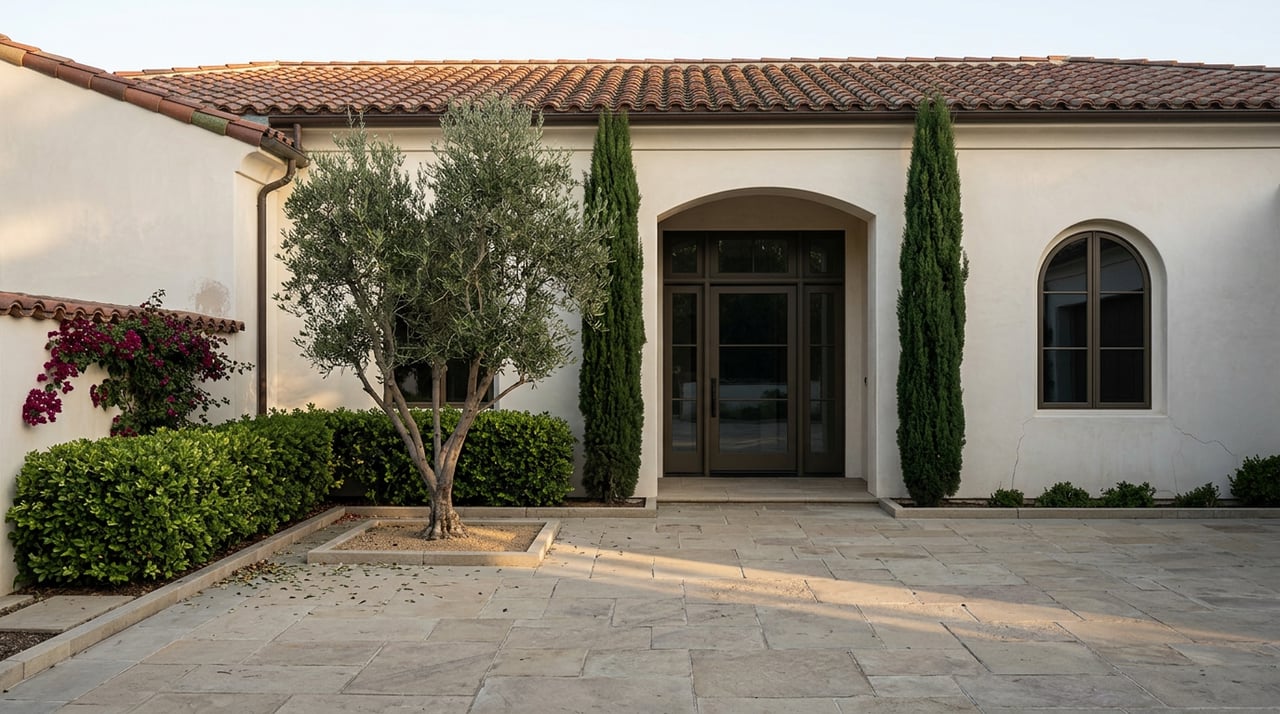
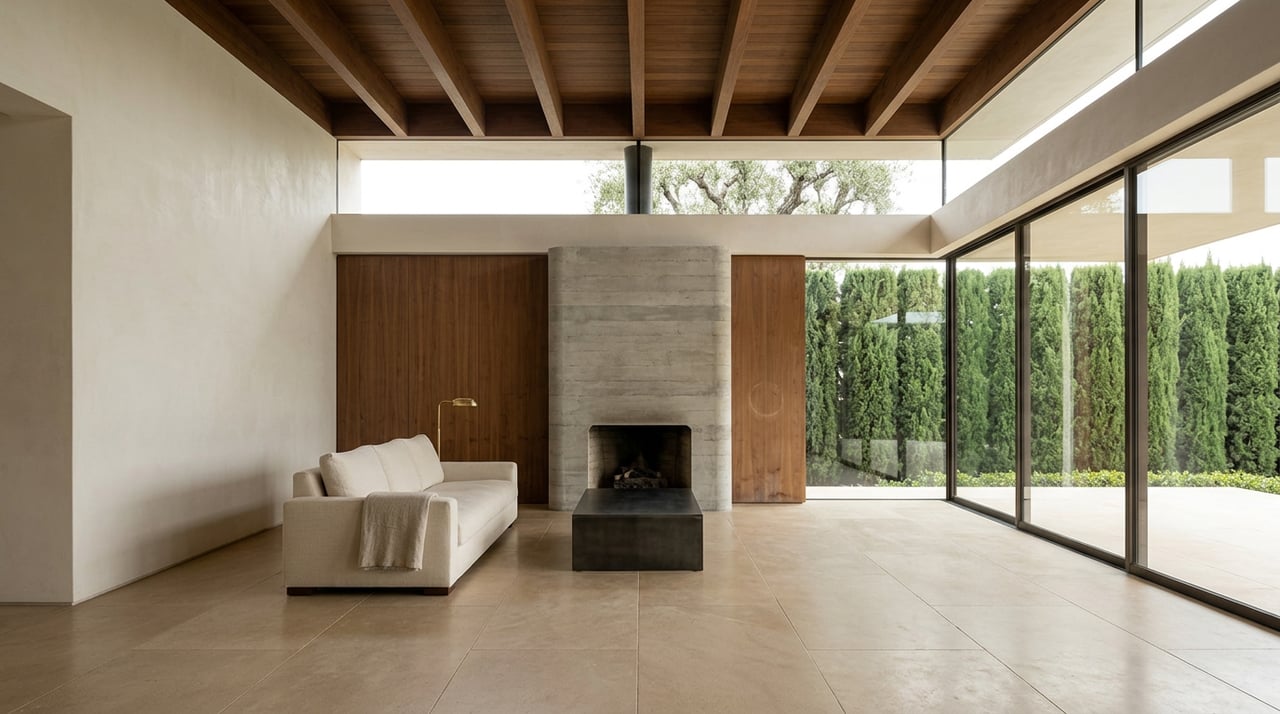



What Fall Home Buying Actually Looks Like on the Palos Verdes Peninsula.
Experience a team dedicated to your success—offering expert guidance, proven market strategies, and a seamless real estate journey from start to finish.
Randazzo Real Estate
(424) 400-8970
[email protected]
Adela Randazzo | CA DRE# 01954846
28901 S Western Ave Ste #107
Rancho Palos Verdes CA 90275