
Buyer Tips Randazzo Real Estate December 25, 2025
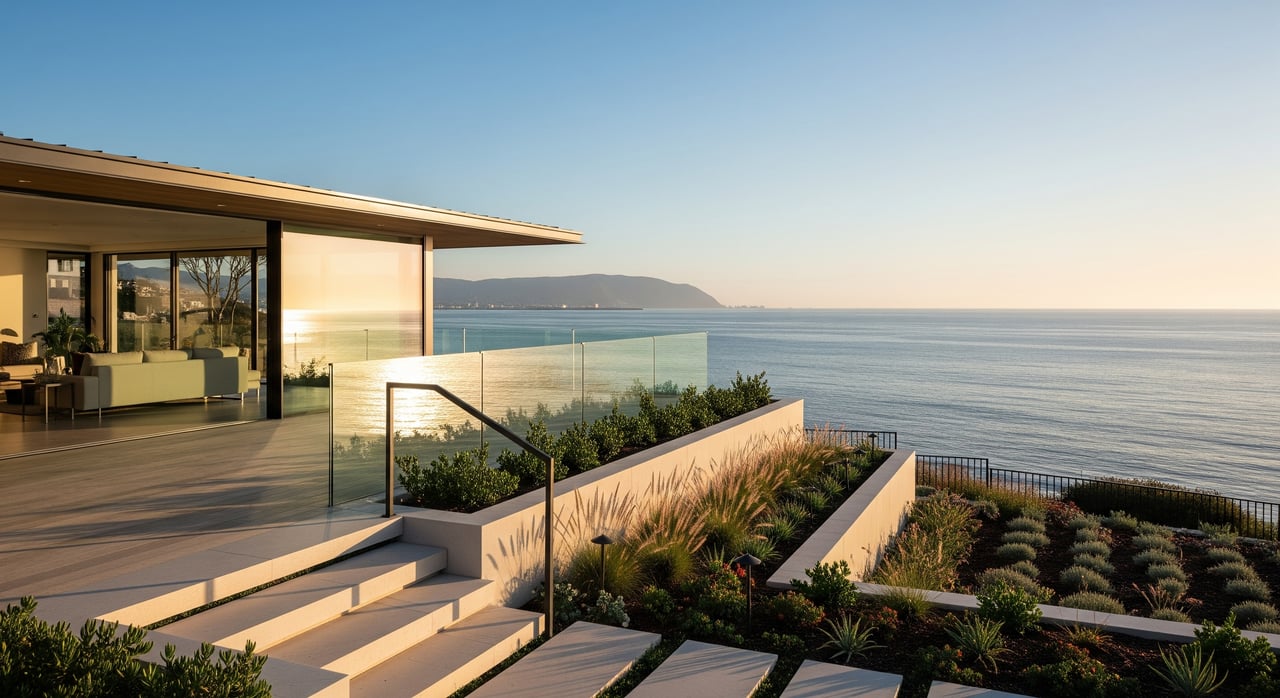
Is your ocean or canyon view part of why you love living in Rancho Palos Verdes? If you are worried about a neighbor’s tree, planning a remodel, or preparing to sell, it helps to understand how the city treats views. The right steps can save you time, reduce conflict, and protect value. In this guide, you will learn how view rules work, what to document, typical timelines and costs, and how view status can affect resale. Let’s dive in.
Rancho Palos Verdes balances private property rights with scenic quality. The city uses planning rules and procedures to address vegetation, building design, and public viewpoints. Portions of RPV also sit inside the California Coastal Zone, which adds another layer of review for some projects.
Two processes often apply:
Views are important, but they are not absolute rights unless recorded by easement or covenant. The city’s process creates paths to resolve conflicts and regulate change.
View preservation typically addresses three areas in RPV:
You will find enforcement and approvals within the city’s planning, building, and code processes. Coastal permits may also apply inside the coastal zone.
The fastest way to resolve a tree issue is often a friendly conversation. Share date-stamped photos and a simple sight-line sketch that shows the view from a primary room or deck. Many owners agree to pruning that balances privacy, shade, and views.
If you cannot reach an agreement, you can contact the city to ask about the view obstruction complaint process. The city may schedule an inspection and explain required forms, timelines, and next steps. Keep records of all communication and any prior agreements.
The city often relies on a report from an ISA-certified arborist. A standard report documents species, health, diameter, height, and how the canopy affects the view. It will also outline recommended pruning methods and likely regrowth, which can guide a long-term maintenance plan.
The city can mediate, set pruning conditions, or issue permits for trimming or removal. You may see requirements such as crown reduction rather than topping, phased pruning, or replacement planting if a tree is removed. Heritage or protected trees may require additional justification and mitigation.
You generally cannot trim or remove a neighbor’s tree without written permission. Trimming is limited to your property unless you have consent. Unauthorized pruning can create liability, so follow the city’s process and keep documentation.
If you plan an addition or a second story, the city will review design, bulk, and scale, including potential view impacts on neighbors. Project plans usually include lot lines, elevations, and a sight-line or view analysis that shows how the design affects nearby properties. The better your documentation, the smoother the review.
Standard projects need building permits. Many also require planning approvals such as design review. If your home is in the coastal zone, you may need a Coastal Development Permit or a finding that your project is consistent with the Local Coastal Program. Second stories, height increases, and roofline changes are the most likely to attract comments or appeals.
To reduce view impacts, the city may condition approvals with height reductions, step-down massing, adjusted rooflines, or limits on landscaping that could grow into view corridors. Neighbor notice is standard, and appeals to the Planning Commission or City Council can add time.
The city offers complaint intake and may attempt mediation. Written records matter. Keep copies of all complaints, responses, and site photos. Organized files help staff understand history and speed decisions.
If a dispute continues, the city may use administrative hearings or Planning Commission hearings to reach a resolution. Appeal timelines and fees are set by municipal policy. Decisions can require specific trimming, replacement planting, or modified plans.
If administrative remedies do not resolve the issue, some owners consult a land-use attorney. Litigation is costly and outcomes vary, so most owners exhaust city processes first.
Whether you are a homeowner, buyer, or seller, good documentation puts you in a stronger position.
Every property and project is unique, but you can plan around common ranges.
Always verify current processing times, forms, fees, and coastal requirements with the City of Rancho Palos Verdes, since policies can change.
Views can add significant value, but the premium is tied to certainty. Clear records, neighbor agreements, and a history of proper permits increase buyer confidence. Unresolved disputes or unclear rights can lead to price adjustments or a longer time on market.
You do not have to navigate view preservation alone. If you are weighing a remodel, preparing to sell a view home, or evaluating a purchase, we can help you organize documents, set a plan, and market your property with clarity. Connect with Adela Randazzo for tailored guidance in Rancho Palos Verdes and the South Bay, including a plan to protect your timeline and value.



What Fall Home Buying Actually Looks Like on the Palos Verdes Peninsula.
A Realistic Look at Palos Verdes Peninsula Home Affordability.
Experience a team dedicated to your success—offering expert guidance, proven market strategies, and a seamless real estate journey from start to finish.
Randazzo Real Estate
(424) 400-8970
[email protected]
Adela Randazzo | CA DRE# 01954846
28901 S Western Ave Ste #107
Rancho Palos Verdes CA 90275