
Neighborhoods Randazzo Real Estate January 8, 2026
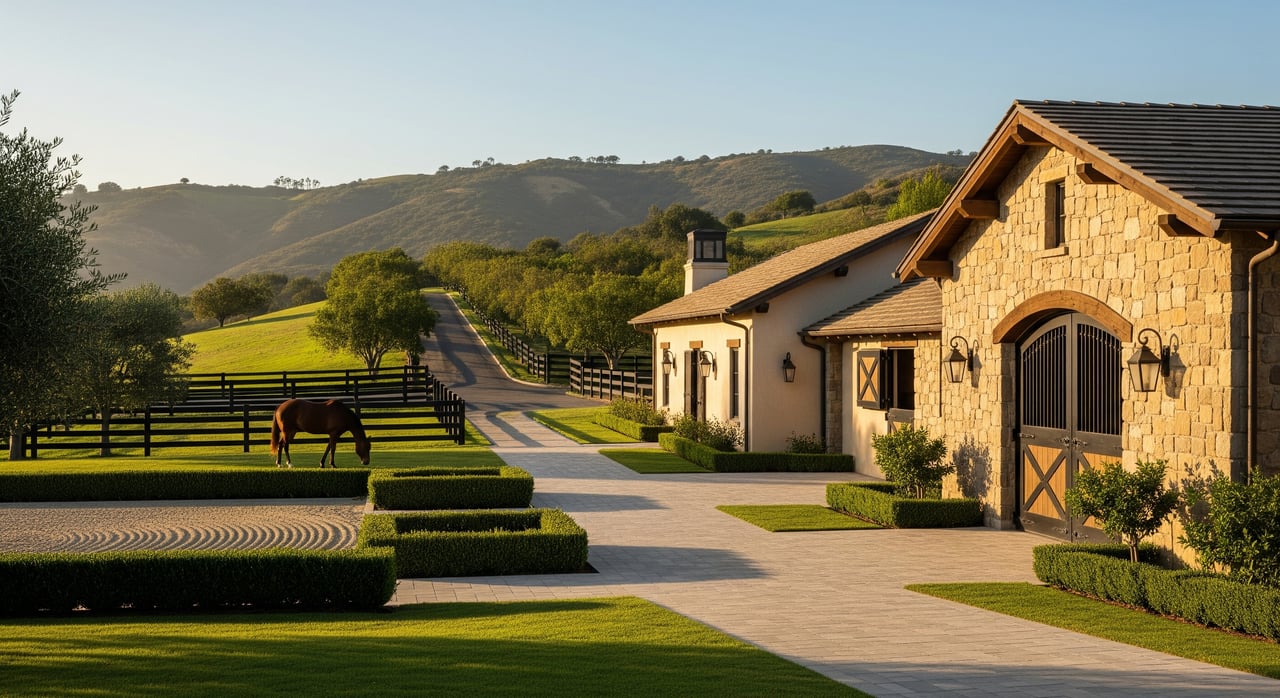
Picture stepping out your back door, swinging into the saddle, and easing onto a neighborhood bridle path. If you love the idea of a home that fits both your family and your horses, Rolling Hills Estates can be a great match. In this guide, you’ll learn how the local trail network works, what to look for in equestrian properties, key rules and costs, and a practical buyer checklist to protect your investment. Let’s dive in.
Rolling Hills Estates sits on the Palos Verdes Peninsula and has a long tradition of horsekeeping. Many neighborhoods were planned with riding in mind, so barns, paddocks, and local bridle paths feel like part of everyday life. You’ll find properties that connect private yards, city parks, and regional open space into a lifestyle where riding is a normal routine.
Trails on the peninsula include city‑maintained multiuse routes, paths inside regional preserves, and informal equestrian ways across larger parcels. Expect a mix of bridleable singletrack, dirt fire roads, and occasional paved carriageways near homes. Some properties back to public trails or recorded easements, while others require a short trailer ride to a trailhead or park.
Many trails are shared with hikers, bicyclists, and dogs. Plan to slow, communicate clearly, and yield as needed. Certain segments can have seasonal closures or specific rules, so check current notices before you ride. Before you buy, review current trail maps and verify any rights‑of‑way or easements that touch the property.
Equestrian parcels in Rolling Hills Estates range from smaller lots with limited turnout to estate‑style properties with barns, arenas, and multiple paddocks. As you tour, look for a layout that keeps people, horses, and vehicles moving safely and efficiently.
Barns can be simple one or two‑stall outbuildings or larger multi‑stall setups with tack rooms and wash racks. Prioritize ventilation, safe stall doors, non‑slip flooring, and drainage that carries water away from structures. Ask for records of permitted electrical and plumbing work, and review the barn’s construction and permitting history for safety and resale.
Outdoor arenas typically sit on a compacted base with sand or sand‑fiber footing. Orientation and drainage matter when winter storms hit. A practical maintenance plan should include grading, watering for dust control, and occasional harrowing that suits the parcel’s access and water availability.
Common fence styles include wood post‑and‑rail, vinyl post‑rail, pipe rail, and agricultural wire with visibility enhancers. Look for secure latches and visible, well‑maintained lines. Paddocks should offer shade or shelter, non‑toxic landscaping, and safe separation if you keep different types of horses.
Confirm reliable water supply and pressure for troughs, wash areas, and arena irrigation. Some larger properties may have private septic systems, so verify capacity and maintenance history. Electrical systems in barns and arenas should meet code, and some owners add generators for backup power on bigger operations.
If you will not keep horses at home, the broader South Bay and Palos Verdes area offers a range of boarding options. You’ll find full board, partial or part‑board, self‑care setups, and lesson programs. Compare stall availability, turnout schedules, trainer access, and rules for scheduling farriers and vets.
Regional equine support services include mobile veterinarians, farriers, feed and hay suppliers, and tack shops. Response times, trailer routes, and emergency plan details are important, especially for urgent care. Community resources like local riding clubs, schooling shows, group trail rides, and youth programs can round out your riding life. Ask barns about current calendars and participation options.
Horsekeeping carries routine tasks and periodic expenses that you should budget before buying.
Plan for an organized manure system. Options include on‑site composting, hauling to off‑site disposal, or municipal green‑waste programs where available. Place compost areas with runoff controls, keep waste away from slopes and waterways, and follow local rules to prevent odor and vector concerns.
Southern California water constraints affect pasture irrigation and arena dust control. Evaluate water availability, local restrictions, and the cost of irrigating. In dry years, you may lean more on supplemental hay and adjust turnout to protect footing and pastures.
Some areas of the peninsula sit in a wildland‑urban interface. Barns and homes should maintain defensible space and follow local brush clearance requirements. Ask about roofing materials, fuel modification zones, emergency access, and address visibility for responders.
Equine liability coverage is often a smart addition, paired with property and barn insurance. If you plan to board horses for others or offer lessons, commercial coverage is usually required. Insurers may ask about fencing condition, arena design, number of horses, and the nature of use.
Each property is unique, and rules vary by parcel, neighborhood, and city guidelines. Plan ahead so your dream setup is legal and insurable.
Cities regulate how many large animals you can keep per parcel, stable setbacks, and allowed uses. Always confirm the allowable horse count and facility placement with the city planning department. If the property is in an HOA or gated community, review CC&Rs for additional rules on horses, fencing, and structures.
Barns, arenas, large runs, and significant grading often require permits. Ask for records on existing structures, including electrical and plumbing permits. Unpermitted buildings can affect insurance, financing, and resale value.
Recorded trail easements may cross certain parcels and provide riding access. Some routes rely on neighbor permissions. Verify legal rights‑of‑way and any conservation or habitat rules that could affect manure storage or arena drainage.
Use this list to organize your due diligence and reduce surprises in escrow.
Buying an equestrian property takes local knowledge and careful coordination. As a South Bay boutique team, Randazzo Real Estate pairs neighborhood expertise with full‑service transaction support. You get clear guidance, organized documentation, and responsive communication from search through close, so you can focus on choosing the right horses‑and‑home setup with confidence.
Ready to explore Rolling Hills Estates equestrian living or evaluate a specific property? Reach out to Adela Randazzo for locally expert representation and a thoughtful plan for your next move.


What Fall Home Buying Actually Looks Like on the Palos Verdes Peninsula.
A Realistic Look at Palos Verdes Peninsula Home Affordability.
Experience a team dedicated to your success—offering expert guidance, proven market strategies, and a seamless real estate journey from start to finish.
Randazzo Real Estate
(424) 400-8970
[email protected]
Adela Randazzo | CA DRE# 01954846
28901 S Western Ave Ste #107
Rancho Palos Verdes CA 90275