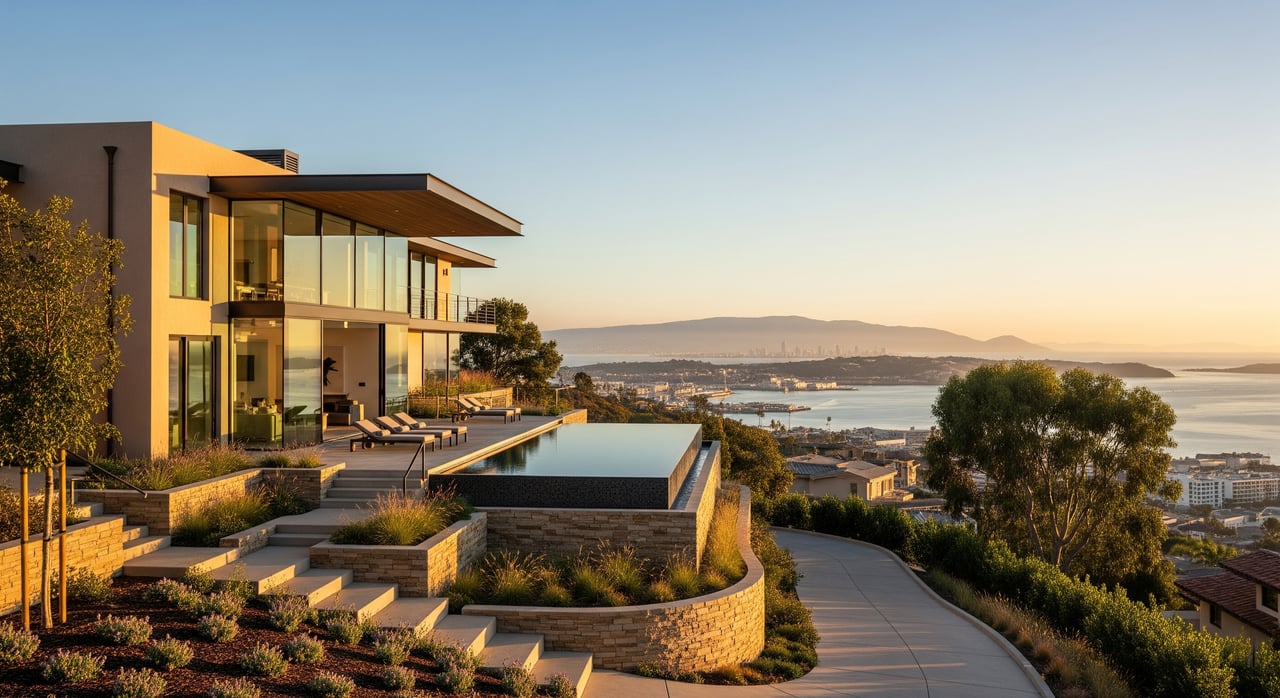
Thinking about adding an ADU, building up, or reshaping your yard on a San Pedro hillside? The views are worth it, but hillside lots come with extra rules, studies, and time. If you plan early and bring the right team together, you can avoid costly surprises and keep your project on track.
This guide explains how hillside rules work in San Pedro, the permits you will likely need, which professionals to hire, realistic timelines, and common red flags. You will also find links to the exact city and state resources you should check first. Let’s dive in.
What counts as a hillside project
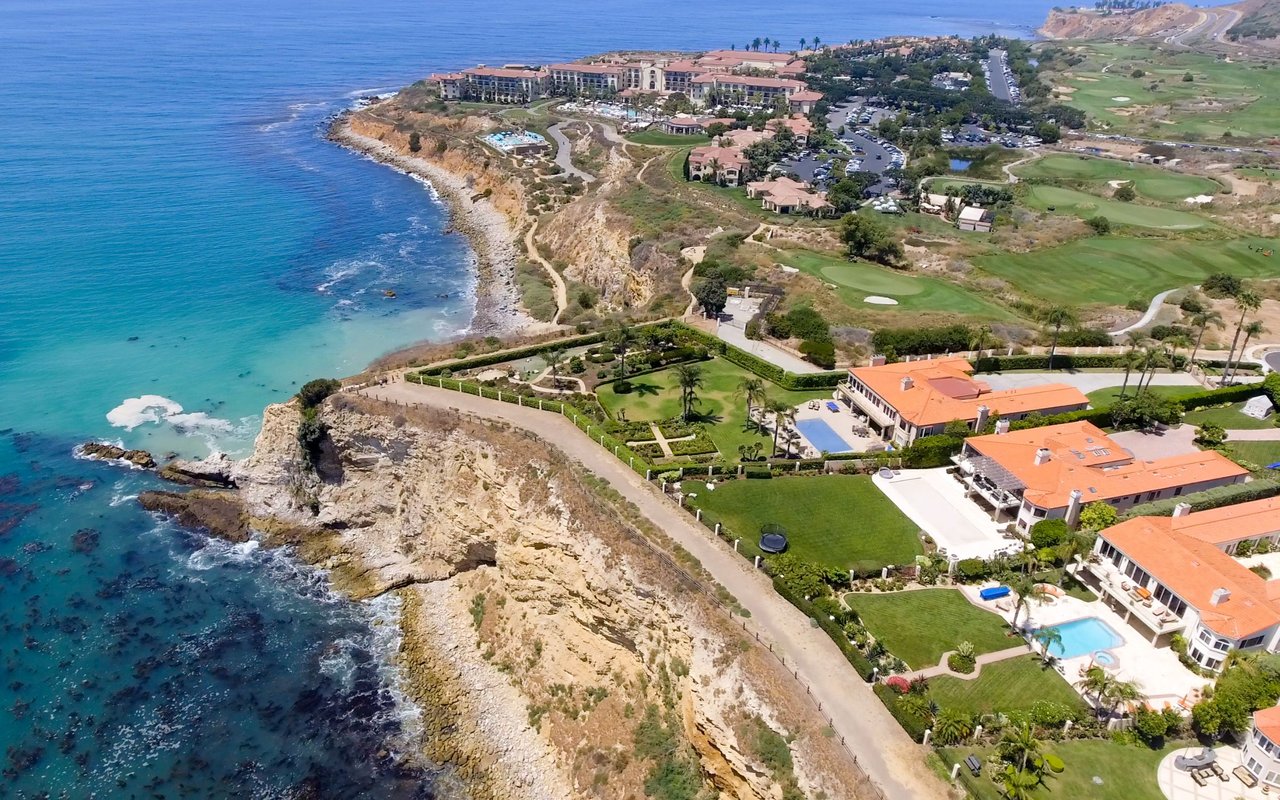
In San Pedro, many homes sit on coastal bluffs, steep inland slopes, or lots with older fills and retaining walls. Projects that involve grading, deep foundations, or significant retaining work are treated as hillside development. Common triggers for extra review include:
- Any cut or fill beyond small amounts, soil import or export, and retaining walls.
- New foundations, piers, piles, or major structural changes on sloped terrain.
- Additions or second stories on a lot with noticeable slope or known geologic hazards.
- New or modified driveways on steep grades or work that affects emergency access.
If your property has visible slope, retaining walls, or sits near a bluff, plan for geotechnical review and more permitting than a flat‑lot remodel.
Key agencies and permits in Los Angeles
Several Los Angeles departments and, in some cases, state coastal authorities can be involved. Start with these:
- City of Los Angeles Department of Building and Safety. LADBS handles building and grading permits, plan checks, and inspections. Begin with the LADBS home page.
- Los Angeles City Planning and Zoning. Zoning, lot coverage, height limits, and hillside standards are reviewed here. Look up your parcel’s zoning and overlays using ZIMAS, and see broader rules at LA City Planning.
- California Coastal Commission and local Coastal Development Permits. If your lot is within the Coastal Zone or on a bluff, you may need a Coastal Development Permit or local coastal review. Confirm status with the California Coastal Commission.
- Los Angeles Municipal Code. Ordinances, including special hillside provisions, are codified in the City code. Review the Los Angeles Municipal Code.
- Other public resources. If you are near lower elevations or the shoreline, check FEMA flood maps. For haul routes or traffic control, confirm requirements with LADOT.
Typical permits for a San Pedro hillside project include:
- Grading permit from LADBS for substantial cut/fill or retaining walls.
- Building permit for additions, structural work, foundations, and ADUs.
- Coastal Development Permit or local coastal review if in the Coastal Zone.
- Street, curb, or driveway permits and haul route approvals if required.
- Tree removal permit from Urban Forestry if protected trees are affected.
The professionals you will need
Hillside projects in Los Angeles usually require multiple licensed professionals. Expect to bring in some or all of the following:
- Licensed geotechnical or geologic engineer. Performs subsurface exploration and slope stability analysis. Provides recommendations for foundations, retaining walls, grading, drainage, and shoring.
- Licensed civil engineer. Prepares grading and drainage plans, retaining wall details where applicable, driveway and street improvements, erosion control, and hauling plans.
- Licensed structural engineer. Designs foundations, piers, grade beams, structural retaining walls, and seismic reinforcement.
- Licensed land surveyor. Produces a boundary and topographic survey that shows property lines, contours, and existing improvements for accurate setbacks and design.
- Architect. Produces building plans, coordinates across disciplines, and ensures code compliance.
- Landscape architect or stormwater specialist. Assists with slope revegetation and post‑construction stormwater treatment if required.
Common permit submittals include a topographic survey and site plan, a geotechnical report with site‑specific parameters, grading and drainage plans that show cut/fill volumes and erosion control, structural calculations for foundations and retaining walls, and construction management details for hauling and traffic control.
Step‑by‑step process and timeline
Every site is unique, but most San Pedro hillside projects follow a similar sequence. Here is a realistic overview:
- Preliminary feasibility and lookup, 1 to 3 weeks
- Use ZIMAS to confirm zoning and overlays. Check Coastal Zone status and basic site constraints.
- Site survey and initial geotechnical consultation, 2 to 6 weeks
- Complete a topographic survey. A geotech may recommend borings or test pits based on slope and suspected soils.
- Geotechnical report and initial engineering direction, 3 to 8 weeks
- Fieldwork, lab testing, and a signed report that sets design parameters for foundations, retaining walls, grading, and drainage.
- Design and plan preparation, 1 to 4 months
- Architect, civil, and structural engineers coordinate to finalize plans. Expect iterations for retaining systems, drainage, and shoring.
- Permit submittal and plan check, 1 to 6 months or more
- LADBS and City Planning review. Complex hillside projects or those with grading often need multiple correction cycles. Coastal review can add time.
- Permits and pre‑construction approvals, 2 to 8 weeks
- Obtain building, grading, coastal, haul route, and any street or tree permits as needed.
- Construction, weeks to over a year
- Grading and retaining walls usually come first, followed by foundation and vertical work. Inspections occur at key stages.
- Final inspections and sign‑off, weeks
- Final approvals or a Certificate of Occupancy for the permitted scope.
Overall timing: a small ADU or modest addition on a moderate slope may take 6 to 9 months. Moderate to major hillside builds can run 9 to 18 months or longer, especially with significant grading or coastal review.
ADUs, additions, and common hillside projects
- ADUs on hillside lots. State ADU laws expand opportunities, but local site limits still apply. Slope stability, safe access, and the need for retaining walls or deep foundations can increase costs. Many ADUs on slopes trigger the same geotechnical and grading requirements as larger projects. Review LADBS and City Planning ADU guidance early.
- Additions and second stories. Even small additions on a sloped lot often require geotechnical confirmation that the existing foundation system is adequate. Drainage changes and seismic performance are key design considerations.
- New residences or large remodels. Expect comprehensive geotechnical and structural design, larger grading permits, and possible environmental review in sensitive areas.
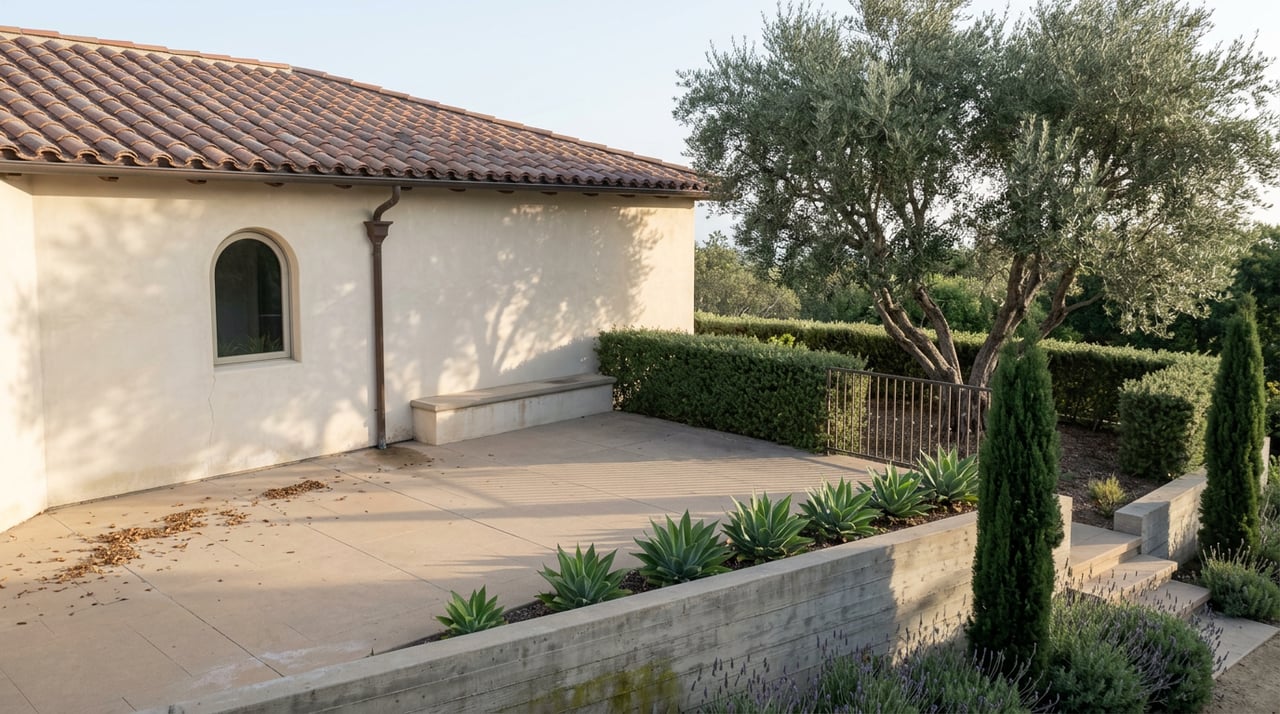
- Retaining walls and terraces. Engineered retaining walls above typical thresholds usually require design and permits. Plan ahead if you expect tiered yards or hillside patios.
- Access and driveways. Driveway slope and emergency access standards can shape the design or trigger street improvements. Confirm with LAFD standards and LADBS early.
Practical rule: if there is visible slope or evidence of old fill, budget for a geotechnical consultation, even for modest projects.
Red flags to watch for
Hillside projects can be very successful when you identify risks upfront. Common issues in San Pedro include:
- Slope stability or a history of landslide movement on or near the parcel.
- Coastal bluff erosion, especially for bluff‑top parcels, which may require larger setbacks.
- Narrow streets and limited staging for equipment, which can raise costs and extend schedules.
- Unpermitted work, such as legacy grading or overheight retaining walls, which may need retroactive engineering and permits.
- Drainage changes that could affect downslope neighbors and trigger added stormwater controls.
- Protected trees that require permits for removal or mitigation.
- Emergency access constraints that affect driveway grades, turnouts, or turnarounds.
Mitigation tips: schedule a professional site reconnaissance with a licensed geotechnical engineer, request thorough seller disclosures, budget for coordination among your geotech, civil, and structural engineers, and consider a permitting consultant for complex coastal or grading cases. Early outreach to neighbors can also reduce friction when haul routes or temporary closures are necessary.
Budgeting for reports and fees
Soft costs vary by site complexity, but planning a reasonable range up front helps you stay on track:
- Geotechnical reports. A basic report for a small addition often runs a few thousand dollars, typically around 3,000 to 10,000 dollars. Larger geotechnical investigations with multiple borings and lab testing can exceed 10,000 dollars.
- Engineering and design. Structural and civil design fees vary with scope. Budget several thousand to tens of thousands for engineered hillside work.
- City permits. LADBS and related permits depend on valuation and scope. Plan for plan‑check cycles and possible resubmittals when estimating time and cost.
Always request written proposals and verify current LADBS fee schedules before you commit.
Smart prep before you buy or build
If you are in escrow on a San Pedro hillside home or planning a major remodel, a short feasibility checklist can save time and money:
Local resources to bookmark
A few official pages serve as your foundation for research and plan check:
How a local real estate advisor helps
A hillside project touches permitting, engineering, and often neighborhood logistics. As a South Bay–focused team, we routinely help buyers and sellers investigate hillside conditions during escrow, confirm Coastal Zone status, and coordinate next steps with experienced local consultants. The goal is simple: give you clarity on feasibility, timelines, and likely costs so you can make confident decisions.
If you are weighing a purchase or planning a sale with hillside improvements, we can help you map out the process, share vetted local resources, and position your property strategy for success.
Ready to talk through your hillside goals in San Pedro? Connect with Adela Randazzo to get local guidance and Request Your Free Home Valuation.
FAQs
Do I need a geotechnical report for a San Pedro hillside ADU?
- Not always, but if your lot has slope, retaining walls, or previous fill, a geotechnical report is commonly required and is often the first item LADBS requests during plan check.
Will the Coastal Commission review my San Pedro project near the bluff?
- Only if your property lies within the Coastal Zone or affects coastal resources; some parcels have local City approval authority, so confirm early with LA City Planning and the California Coastal Commission.
How long does LADBS plan check take for hillside work?
- It varies by complexity and workload; straightforward projects may take weeks, while grading and complex hillside cases can take months with multiple resubmissions.
Can I repair or build on an existing retaining wall without a permit?
- Small repairs may be allowed, but engineered retaining walls above typical height thresholds usually require design and permits; unpermitted walls can trigger retroactive engineering.
Are driveway and emergency access rules strict on steep San Pedro lots?
- Yes. LAFD and City standards for grades and turnarounds can affect driveway design and may require street or on‑site modifications to meet access requirements.