
Buyer Tips Randazzo Real Estate April 23, 2026
Trying to choose between San Pedro and Rancho Palos Verdes for your next home? It is a smart comparison, because these neighboring coastal areas can offer very different day-to-day experiences. If you are weighing budget, housing style, commute needs, and access to the coast, understanding those differences can help you buy with more confidence. Let’s dive in.
At a glance, San Pedro and Rancho Palos Verdes share a coastal setting in the South Bay, but they feel quite different in how they live.
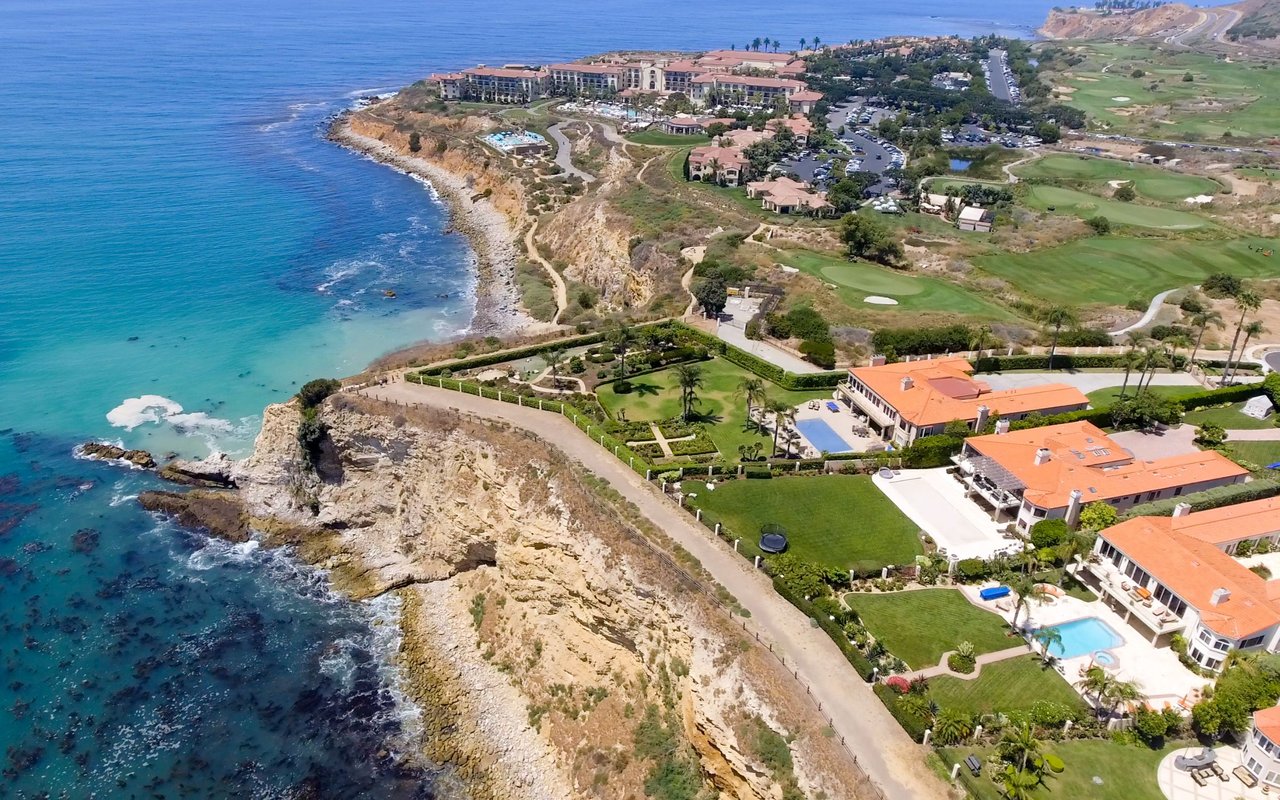
San Pedro is a harbor-facing community within the City of Los Angeles, with a mix of residential, commercial, industrial, civic, recreational, and open-space uses, according to the San Pedro Community Plan. Rancho Palos Verdes, by contrast, is a lower-density peninsula city with 12.3 square miles of land, 7.5 miles of coastline, scenic views, and a preserve system that includes about 1,500 acres across 11 public-access reserves, based on the city handbook.
For many buyers, the choice comes down to lifestyle. San Pedro tends to offer a more active harbor-and-waterfront environment, while Rancho Palos Verdes leans more toward open space, bluff views, and a quieter residential setting.
If you want more choice in housing type, San Pedro may give you more flexibility. The community plan notes that its housing stock includes single-family homes as well as duplexes, bungalow apartments, 3- to 4-story apartment buildings, condos, and townhomes, with many homes more than 40 years old and older neighborhoods located near the waterfront.
That variety can be helpful if you are deciding between a detached house, a condo, or a townhome. It also means you may find different price points and neighborhood formats within the same community.
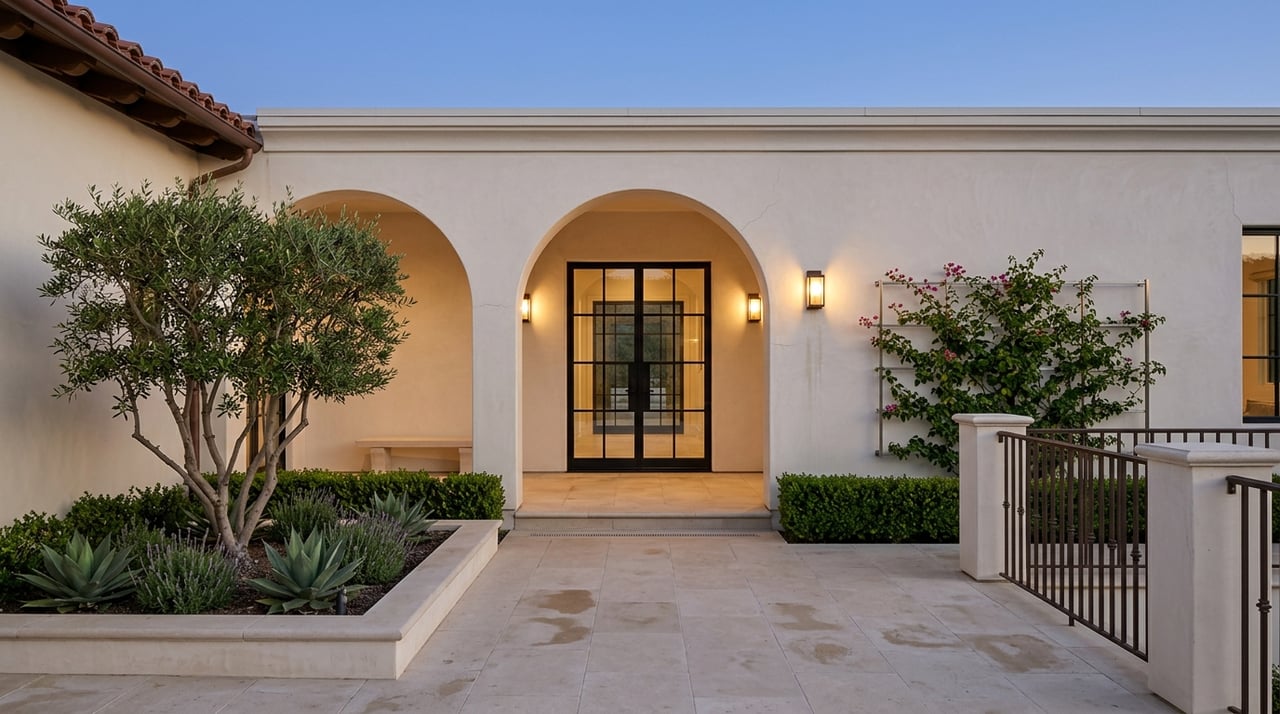
Rancho Palos Verdes is more closely tied to detached residential living. The city handbook describes it as predominantly single-family, with many homes built in the 1960s and 1970s and common styles including California Ranch, Spanish Colonial, and Mediterranean or Italian-inspired architecture.
The city also reviews new homes and additions for neighborhood compatibility, according to the same Rancho Palos Verdes handbook. In practical terms, that supports a more consistent and controlled residential character.
If price is a major part of your decision, San Pedro currently sits in a much lower price band. As of February 2026, Realtor.com’s San Pedro market overview shows a median home price of $830,000, with 200 homes for sale and a median listing duration of 60 days.
Some coastal parts of San Pedro are priced higher. The same source shows Coastal San Pedro and Ocean View closer to the $919,000 to $989,000 range, which may matter if you want to stay near the water.
Rancho Palos Verdes is firmly in a higher-end market segment. Realtor.com’s Rancho Palos Verdes overview shows a median home sale price of $1.80 million, while the 90275 snapshot shows a median sale price of $1.797 million, 127 homes for sale, and a median of 96 days on market.
That gap is significant. For many buyers, it means San Pedro may offer an easier entry point into coastal living, while Rancho Palos Verdes may appeal more if you are prioritizing larger homes, detached properties, and view-oriented lots.
Current market pages also suggest San Pedro has more inventory and faster turnover, while Rancho Palos Verdes homes are taking longer to sell. Year over year, both markets are softer, with San Pedro down 3.49% and Rancho Palos Verdes down 9.77%, according to their current Realtor.com pages.
That does not tell the whole story for every property, but it can help set expectations as you plan timing and strategy.
If your workweek involves regular travel to Downtown Los Angeles or other parts of the region, San Pedro may give you a wider commute toolkit. Metro’s BRT information shows the J Line serves El Monte, Downtown LA, and San Pedro, and Metro route 246 connects San Pedro to Harbor Gateway Transit Center.
The Port of Los Angeles also notes that the SR 47, Vincent Thomas Bridge, and Harbor Boulevard interchange connects with I-110 and provides access to San Pedro, Wilmington, and Terminal Island. Taken together, those transit and roadway links can make San Pedro feel more flexible for commuters.
Rancho Palos Verdes has transit service, but it is more limited. PV Transit notes weekday-only service, and its 225 and 226 route information shows connections at 7th and Pacific to Metro service toward Downtown Los Angeles.
For many buyers, that means Rancho Palos Verdes is more schedule-sensitive and more car-dependent. If commute convenience is a top priority, that is an important factor to weigh.
If you picture yourself spending time near the harbor, beach, or boat launch, San Pedro has a strong everyday waterfront offering. The Port of Los Angeles recreation resources note that Cabrillo Beach includes a paved public boat launch, the Port offers public landings in San Pedro, and the LA Waterfront spans more than 400 acres with promenades, walking paths, scenic views, and attractions including the Cabrillo Marine Aquarium.
That combination can make waterfront access feel more immediate and easier to use regularly. For buyers who want boating, harbor views, beach time, or walkable public waterfront spaces, San Pedro stands out.
Rancho Palos Verdes offers a different kind of coastal experience. The Palos Verdes Nature Preserve includes about 1,500 acres across 11 reserves, with hiking, equestrian, and bicycle trails.
The same city resource notes that Vicente Bluffs Reserve provides beach access only to Pelican Cove, and Rancho Palos Verdes Beach is a small rocky-and-sandy beach with tide pools reached by trail access. If you are drawn to bluffs, scenic overlooks, and nature trails, that may be a great fit.
One key buying consideration in Rancho Palos Verdes is shoreline and land movement risk in certain areas. The city currently states that Abalone Cove Beach, Sacred Cove Beach, and all beach access trails in the reserve are closed until further notice, and it is operating a voluntary property buyout program in the Greater Portuguese Bend landslide area, according to this city update.
That does not apply uniformly across the entire city, but it is an important reminder that location-specific due diligence matters. If you are considering a home in Rancho Palos Verdes, you should ask targeted questions about nearby closures, land movement issues, and any related mitigation or disclosure concerns.
Here is the simple version.
Neither option is universally better. The right choice depends on how you want to live, how you commute, what type of home you want, and what trade-offs make sense for your budget.
When two neighboring coastal markets differ this much, local guidance can save you time and help you avoid the wrong fit. If you want help comparing homes, neighborhoods, and property-specific considerations in San Pedro or Rancho Palos Verdes, connect with Adela Randazzo for thoughtful, local guidance tailored to your move.
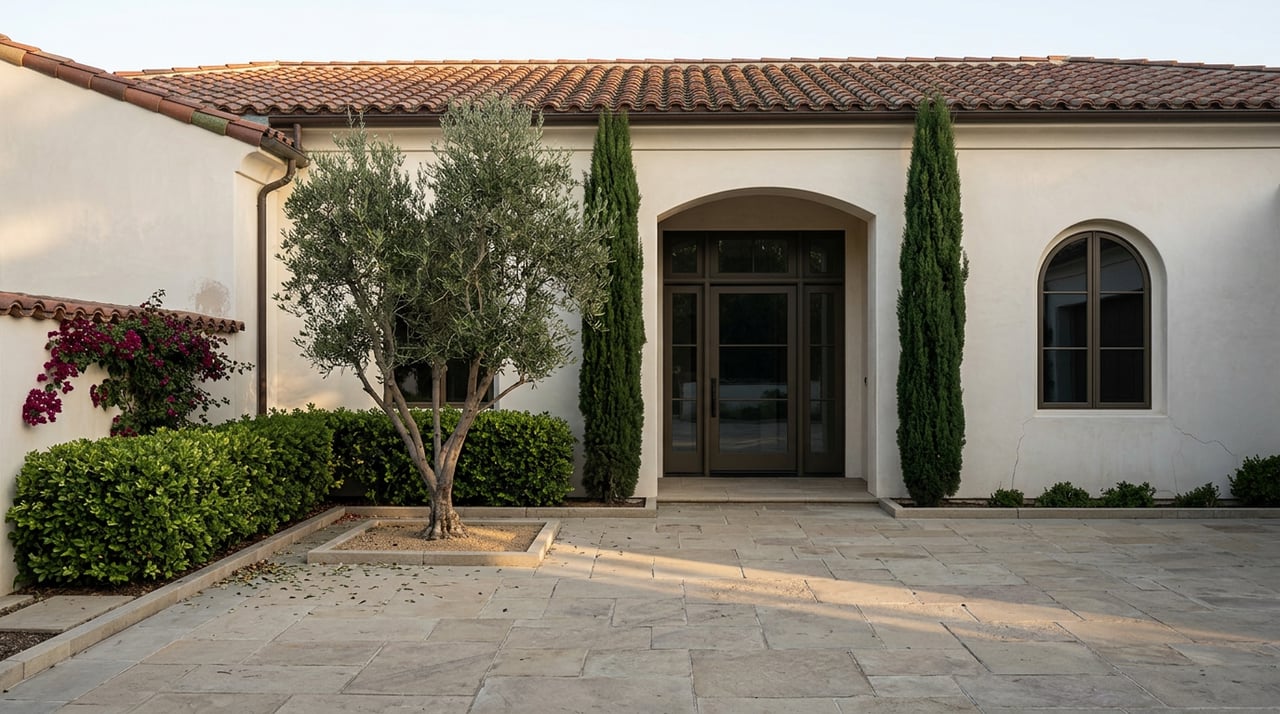
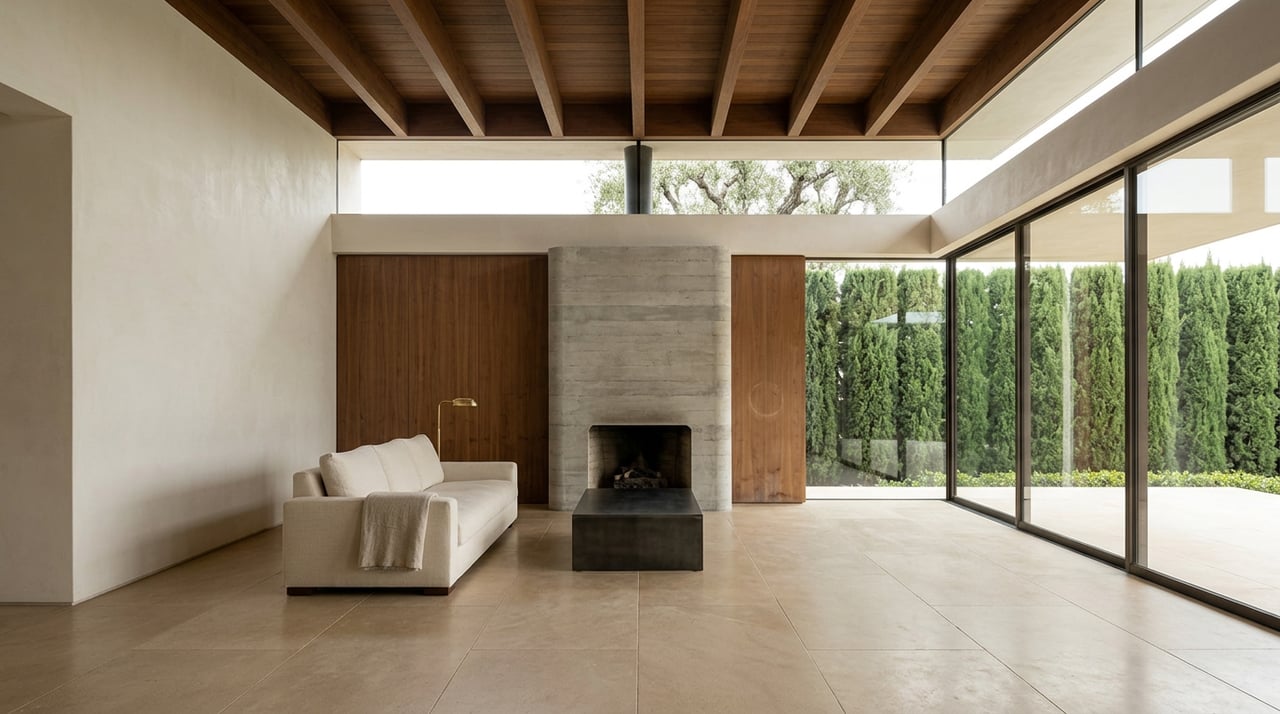



What Fall Home Buying Actually Looks Like on the Palos Verdes Peninsula.
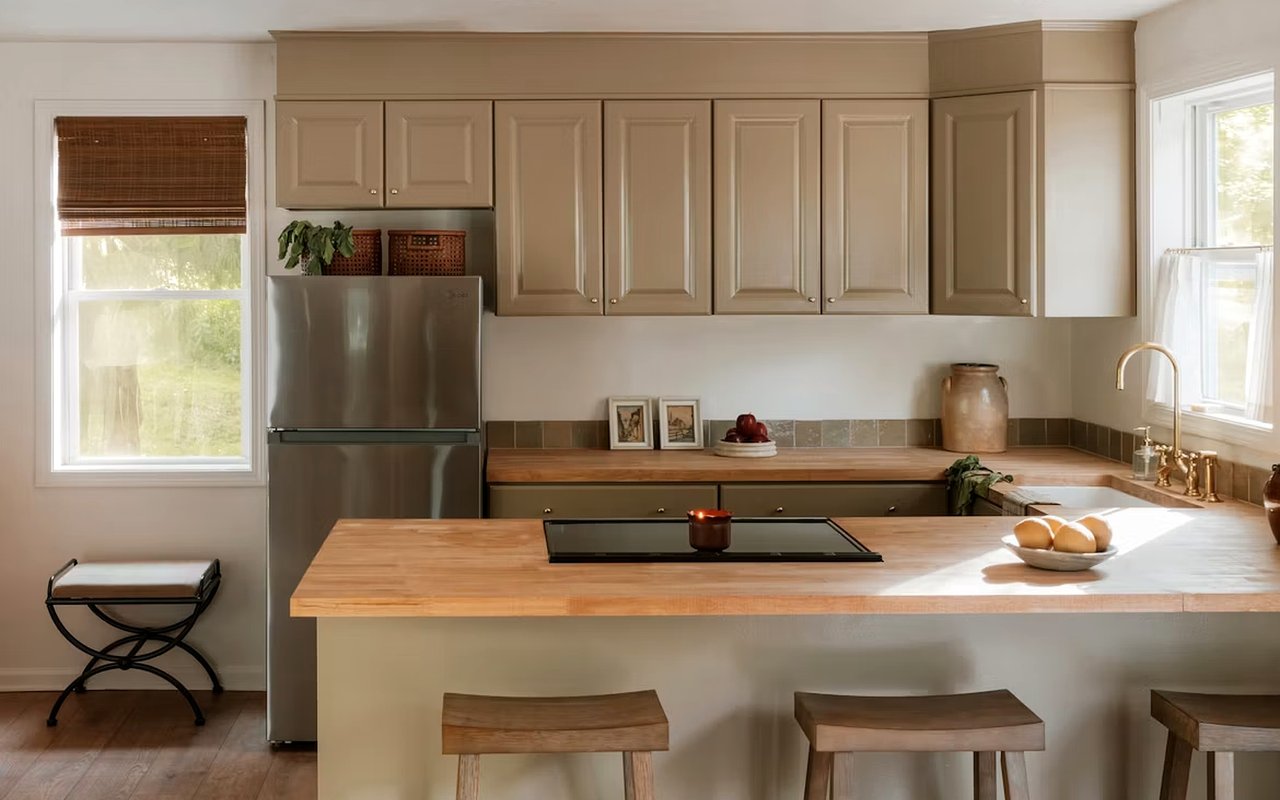
A Realistic Look at Palos Verdes Peninsula Home Affordability.
Experience a team dedicated to your success—offering expert guidance, proven market strategies, and a seamless real estate journey from start to finish.
Randazzo Real Estate
(424) 400-8970
[email protected]
Adela Randazzo | CA DRE# 01954846
28901 S Western Ave Ste #107
Rancho Palos Verdes CA 90275