Selling a loved one’s home while settling an estate can feel overwhelming. You are balancing legal steps, family expectations, and a timeline that may not be fully in your control. The good news is there is a clear, proven way to move from uncertainty to a successful sale in Rolling Hills Estates. In this guide, you will learn exactly how to confirm your authority, choose the right sale path, handle required disclosures, and navigate local details without costly delays. Let’s dive in.
First confirm your authority
Before you sign anything, make sure you can legally sell the property. If you are the court‑appointed personal representative in probate or the successor trustee, you need documented authority first.
- Probate: obtain certified Letters Testamentary or Letters of Administration. Under California’s Independent Administration of Estates Act, or IAEA, a representative with full authority can usually sell real property without court confirmation. Review the scope of your powers and required notices under Probate Code §10400.
- Trust: as a successor trustee, confirm the trust terms and obtain a trustee certification that shows your power to sell.
Having these documents in hand is step one. Title and escrow will need copies before closing, and your agent will rely on them to structure the listing and contract correctly.
Choose your sale path: IAEA or court confirmation
Your authority determines your process.
- If you have full IAEA or equivalent trustee authority: you can typically accept an offer and close without a court confirmation hearing, subject to statutory notices to interested parties.
- If court confirmation is required: the sale must be returned to court for approval. At the hearing, the judge may accept higher overbids using the statutory formula. Learn how overbids work in Probate Code §10311.
Appraisal rules if confirmation is required
For private sales that need court approval, the property generally must be appraised within one year of the hearing, and the sale price must be at least 90% of the appraised value. See Probate Code §10309 for timing and the 90% requirement.
Disclosures you must deliver
California requires specific disclosures in most residential sales. Probate and trust fiduciaries often have to deliver these too, even if they did not live in the home. Work with your agent and attorney to prepare the full packet early.
- Transfer Disclosure Statement: most sellers must provide the TDS and related statutory forms under Civil Code §1102. Some limited fiduciary exemptions exist, but do not assume you are exempt from all forms.
- Natural Hazard details: buyers need to know if the home is in mapped hazard zones such as earthquake fault, seismic hazard, flood, or very high fire hazard areas. Order a professional NHD report and review it carefully, especially for hillside areas.
- Lead‑based paint (pre‑1978): provide the federal pamphlet and disclosure, and allow the buyer an inspection opportunity. Use the HUD/EPA guide in your packet: Lead‑Based Paint Disclosure Rule Fact Sheet.
- Water‑heater bracing: certify that the water heater is properly strapped per Health & Safety Code §19211.
- HOA/common‑interest properties: if the home is in an association, provide the resale disclosure package, including CC&Rs, bylaws, budgets, reserve items, and rules under Civil Code §4525. Order this early to avoid delays.
- Mello‑Roos and supplemental taxes: if the parcel has special taxes or bonds, deliver the district’s notice and give the buyer a supplemental tax notice under Civil Code §1102.6b. Check the preliminary title report and local tax agency.
Rolling Hills Estates local factors
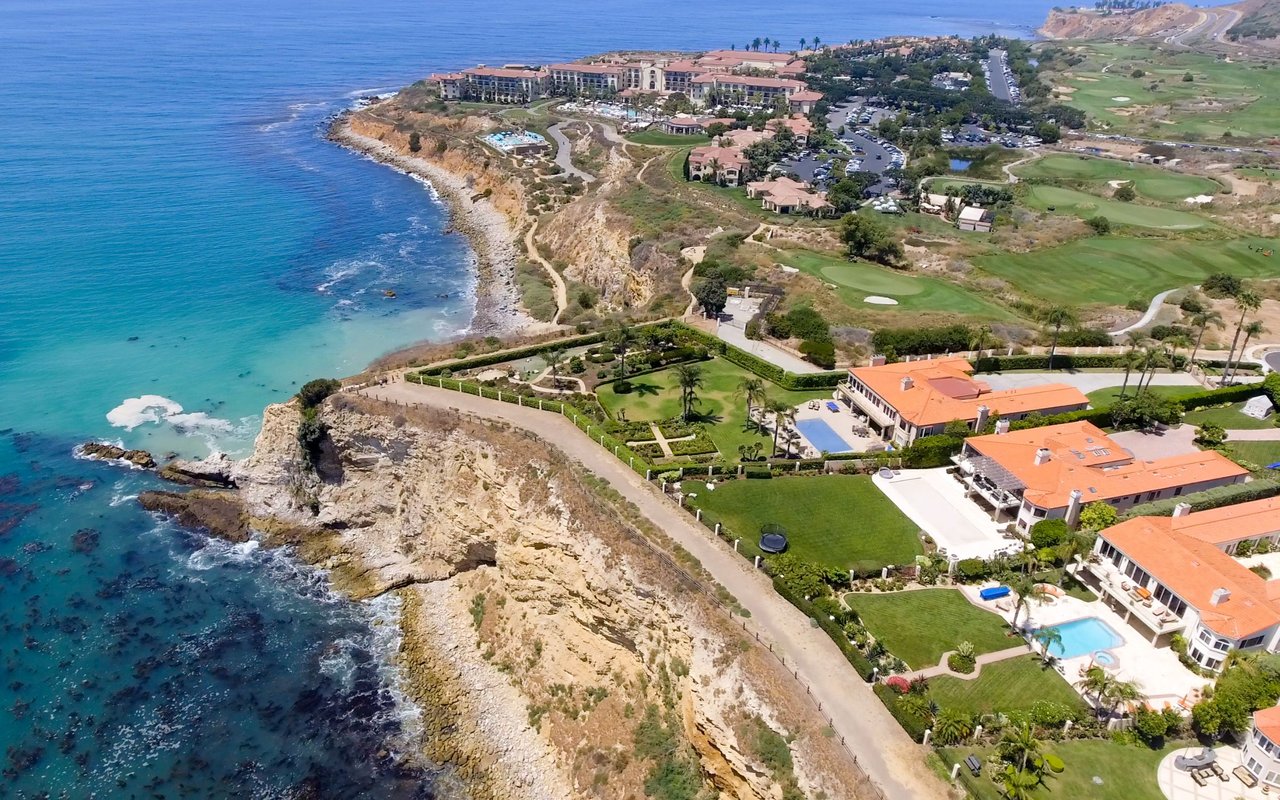
Rolling Hills Estates has unique community programs and hillside considerations. Before listing, check city planning and building resources for permits, view restoration rules, or encroachment concerns. Start with the City’s site for contacts and forms: City of Rolling Hills Estates.
For transfer tax, Los Angeles County collects the Documentary Transfer Tax at recording. The county rate is commonly calculated as $0.55 per $500 of consideration, which equals $1.10 per $1,000. Escrow typically handles collection and payment at closing. See the county’s guide: LA County Recorder Documentary Transfer Taxes. Rolling Hills Estates is not listed among the LA cities that impose an additional city transfer tax, but always confirm with title and escrow for the specific parcel.
A step‑by‑step roadmap
Use this sequence to keep your sale moving smoothly.
Immediate actions (days 0–14)
- Confirm authority to act, and obtain certified Letters or trustee certification. See Probate Code §10400.
- Assemble your team: probate attorney, CPA or tax advisor, a local probate‑experienced agent, and a title/escrow officer familiar with estates. Add vendors for cleanout, repairs, staging, and HOA document requests.
- Secure the property and create an inventory. Change locks if needed, collect keys and remotes, and gather mortgage, tax, insurance, and HOA records.
Pre‑listing prep (weeks 2–6)
- Valuation: get a comparative market analysis and, if court confirmation is likely or beneficiaries want third‑party support, order a formal appraisal. If a confirmation hearing is required, remember the appraisal timing rules and 90% threshold in Probate Code §10309.
- Title check: order a preliminary title report. Identify liens, easements, PACE obligations, and HOA delinquencies to resolve or budget for at closing.
- HOA resale packet: if applicable, request the association’s documents under Civil Code §4525 early.
- Disclosures: prepare the TDS and related forms under Civil Code §1102, include the lead pamphlet if pre‑1978, the water‑heater certification, the Mello‑Roos and supplemental tax notice, and a professional NHD.
- Condition strategy: decide whether to sell as‑is or complete modest repairs. Many court‑confirmed probate sales are marketed as‑is, while IAEA or trust sales allow more flexibility to negotiate repairs and contingencies.
Listing and marketing (weeks 3–8)
- Price and positioning: choose a defensible list price based on local data and your appraisal strategy, and be transparent in the listing about the probate or trust status.
- Offer terms: if court confirmation is required, prioritize strong financials and clean terms because the court prefers prompt closings. If not, you can usually accept conventional contingencies.
- Open escrow upon acceptance: deliver statutory disclosures promptly. If you lack full IAEA authority, your attorney will file for court confirmation and publish required notices.
If court confirmation is required
- File the petition to confirm sale, publish and send required notices, and calendar the hearing.
- Prepare for overbids under Probate Code §10311. Bidders typically bring cashier’s checks and proof of funds per local rules.
- Record the court order with the deed after the sale is confirmed.
If you have IAEA or trustee authority
- Send a Notice of Proposed Action to interested parties as required by Probate Code §10400. If there is no timely objection, proceed to close like a conventional sale.
- Keep thorough documentation of marketing, valuation, and notices for the estate file.
Closing and distribution
- Escrow handles payoffs, prorations, title insurance, and transfer taxes. Provide proof of authority and any court order to escrow.
- Retain the final settlement statements and follow counsel’s guidance on taxes, creditor claims, and administration fees before distributing net proceeds.
Pricing, offers, and buyer expectations
- Court‑confirmed probate sales: buyers often present cash or strong financing with minimal contingencies. The overbid process can attract investors at the hearing, so build that timing into expectations. See the overbid rule in Probate Code §10311.
- IAEA or trust sales: you can usually accept offers with customary inspection and loan contingencies, provided your valuation is well supported. Keep beneficiaries aligned with a clear file of CMAs, appraisals, and marketing steps.
Avoid common pitfalls
- Missing or late disclosures: delaying the TDS, NHD, Mello‑Roos, or lead forms can give buyers rescission rights. Prepare the packet early under Civil Code §1102.
- Signing before confirming authority: do not sign listing or sale documents until your authority is verified under Probate Code §10400.
- Underestimating court timelines: when confirmation is required, hearings and publications can add weeks. Factor in the appraisal timing and 90% rule in Probate Code §10309.
- Weak documentation: keep written records of pricing decisions, marketing, and notices. Organized files help prevent beneficiary disputes and speed closing.
Quick checklist to stay on track
- Confirm and collect Letters or trustee documentation.
- Retain probate counsel and a tax advisor.
- Order a preliminary title report and resolve or budget for liens.
- Request the HOA resale package early under Civil Code §4525.
- Prepare TDS and statutory disclosures under Civil Code §1102, include lead, NHD, water‑heater certification, and Mello‑Roos/supplemental tax notices.
- Choose repairs vs. as‑is and schedule cleanout and staging.
- Align pricing with a CMA and, if needed, a formal appraisal.
- If limited authority, plan for petition, publication, hearing, overbids, and order recording.
- Confirm transfer tax with escrow. Reference LA County’s rate guide: Documentary Transfer Taxes.
When you are ready to list in Rolling Hills Estates, you deserve a calm, organized process and premium presentation that respects the estate and maximizes results. If you want a local partner who pairs probate and trust experience with full‑service marketing, connect with Adela Randazzo to map your next steps.
FAQs
What is IAEA authority in a California executor sale?
- Under the Independent Administration of Estates Act, a personal representative with full authority can usually sell real property without court confirmation, subject to required notices to interested parties. See Probate Code §10400.
Which disclosures are required in a California probate or trust sale?
- Most residential transfers require the Transfer Disclosure Statement and related forms, plus items like lead (if pre‑1978), water‑heater bracing, HOA resale documents, Mello‑Roos, and supplemental tax notices. Start with Civil Code §1102.
How do probate court overbids work in Los Angeles County?
- At the confirmation hearing, qualified bidders can offer more than the original price using the statutory minimum first overbid formula. The judge confirms the original buyer or highest qualifying overbidder. See Probate Code §10311.
Do Rolling Hills Estates homes have a city transfer tax in addition to the county tax?
- Los Angeles County collects the Documentary Transfer Tax. Rolling Hills Estates is not listed among the LA cities with an added city tax, but always confirm with title and escrow. Reference the county’s guide: Documentary Transfer Taxes.
Do I need an appraisal before a probate court confirmation?
- For private sales that require court confirmation, the property generally must be appraised within one year of the hearing, and the accepted price must be at least 90% of that value. See Probate Code §10309.