
Buyer Tips Randazzo Real Estate March 12, 2026
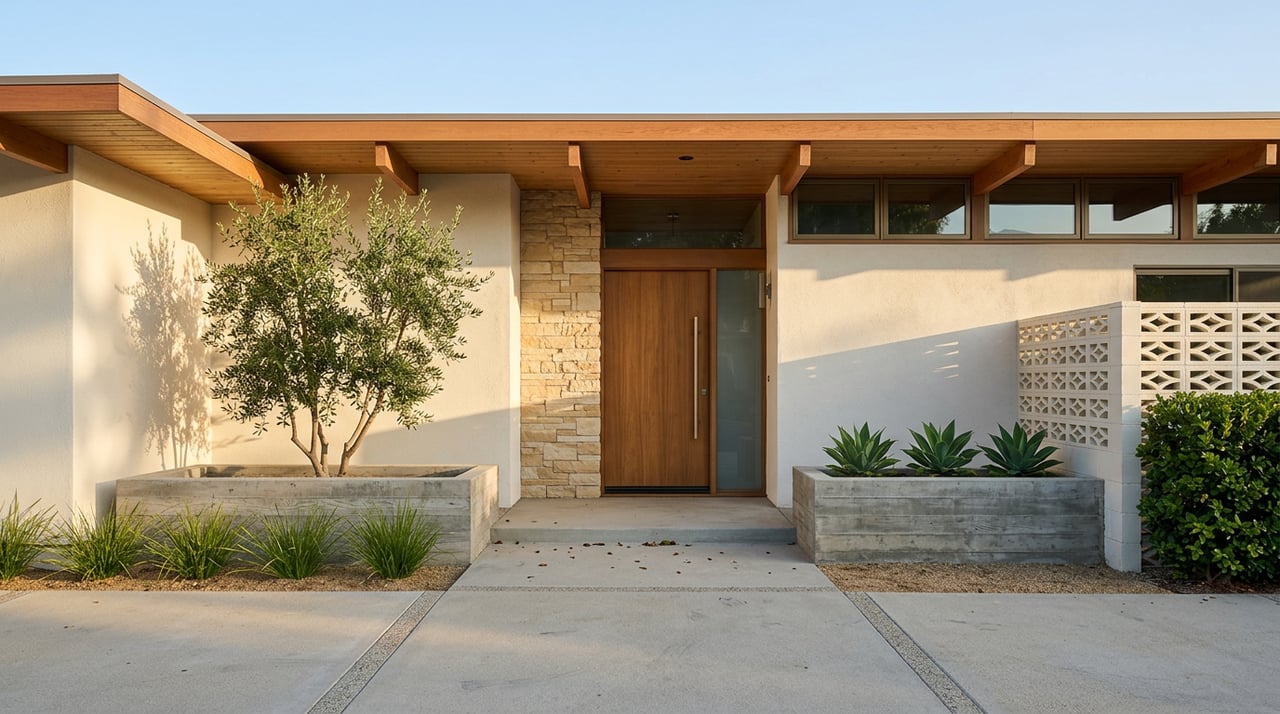
Love the clean lines, wide eaves, and indoor-outdoor flow of a mid-century ranch? In Rolling Hills Estates, you’ll see plenty of 1950s–1970s ranch homes set on spacious lots with canyon, hillside, and sometimes ocean-oriented outlooks. Buying one can be incredibly rewarding, but older construction and the Peninsula’s terrain call for careful due diligence. In this guide, you’ll learn what to expect, what to inspect, how to plan upgrades, and how to protect your investment before you write an offer. Let’s dive in.
Rolling Hills Estates grew rapidly after 1957, so many homes date to the mid-century era. You’ll find classic single-level ranches and split-level variants, often with later remodels and additions. The city’s planning documents confirm this postwar housing stock, and they also outline modern policies for ADUs and energy compliance you’ll want to know as a buyer. You can review the city’s housing profile and ADU context in the adopted housing element from the California Department of Housing and Community Development.
The Palos Verdes Peninsula includes areas of ancient landslide deposits. Movement can reactivate, especially with heavy rain or drainage changes. In July 2023, Rolling Hills Estates experienced land movement on Peartree Lane that damaged multiple homes, leading to emergency actions and geotechnical investigations. The takeaway for buyers is simple: site conditions matter as much as finishes.
Before you remove contingencies on any hillside or canyon property, do the following:
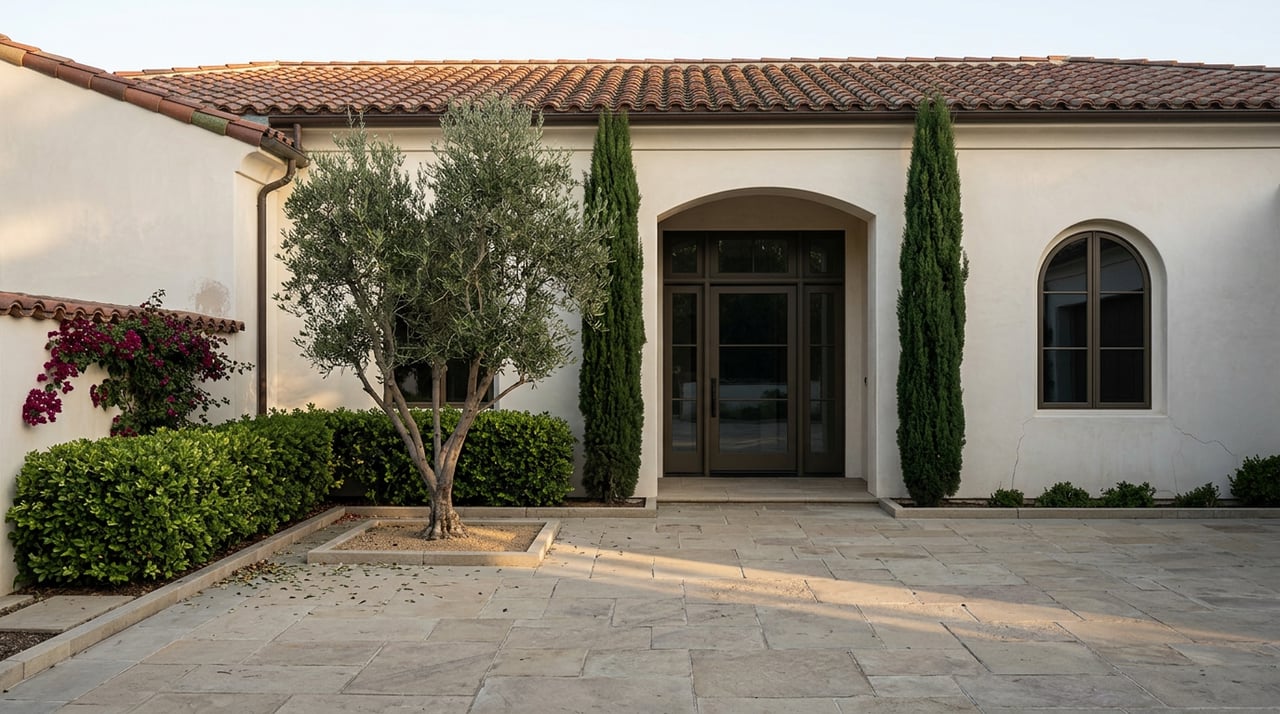
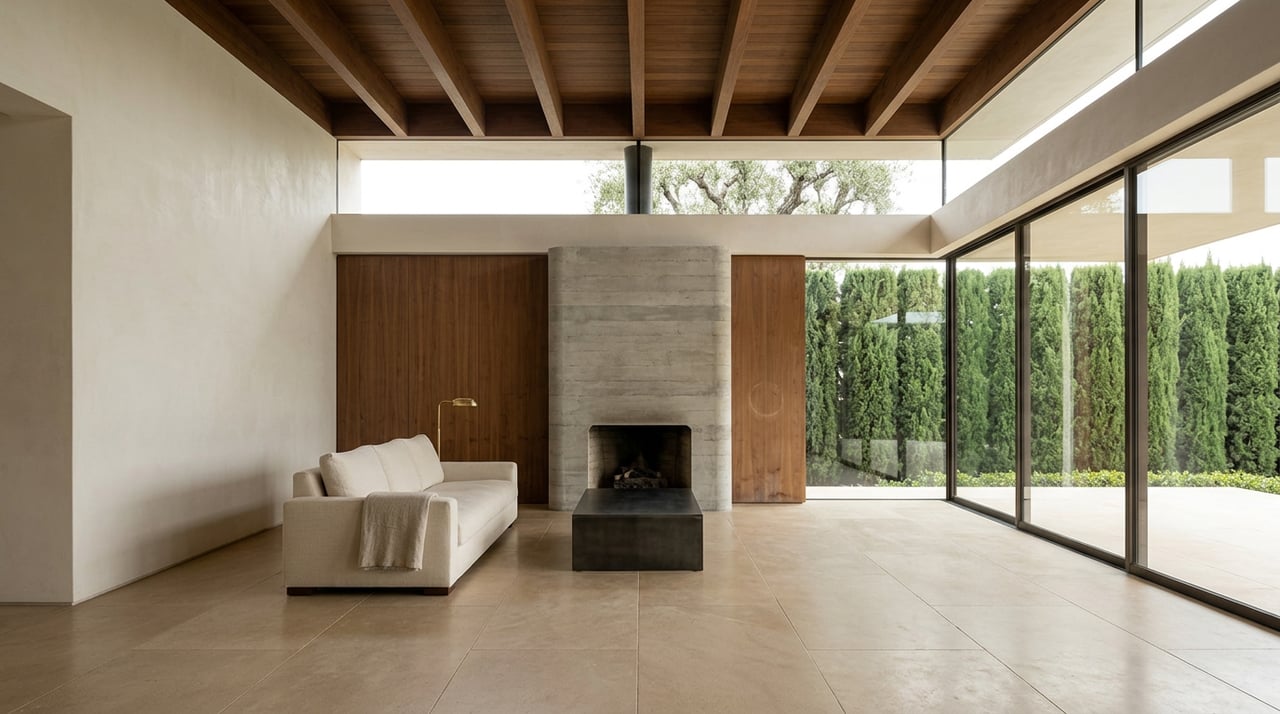
Mid-century ranches here typically present as single-story L- or U-shaped plans, or split-levels on sloped sites. You’ll notice low-pitched roofs, broad eaves, long horizontal lines, and large picture windows or sliders that open to patios and yards. Interiors often separate living and sleeping zones, and many still have original built-ins, wood paneling, and hardwood floors. These features influence how you remodel, from preserving period details to selectively opening walls.
A thoughtful inspection plan is your best tool for balancing charm with safety and longevity. Use the sections below to shape your contingencies.
On level lots, confirm that water flows away from the foundation and that gutters and downspouts route runoff properly. On sloped properties, inspect retaining walls, stepped foundations, and any evidence of settlement like new cracks, sticking doors, or uneven floors. Your geotechnical engineer and a structural specialist should review these items early in escrow.
Homes built before modern seismic codes may have unbolted sill plates, unbraced cripple walls, or soft-story conditions over garages. Foundational bolting and plywood sheathing are common, cost-effective upgrades for raised foundations. For complex conditions, your engineer may recommend steel frames or other engineered solutions.
Many ranches carry composition shingles or clay and concrete tile. Composition roofs near 25 to 30 years old are often at or near replacement cycles. On tile roofs, look closely at underlayment, flashings, and tie-downs, especially on windy or steep sites. Inspect eaves for rot, check chimneys and skylight flashings, and peek into the attic for past leak stains and insulation levels.
Confirm the main panel’s amperage and condition, and look for obsolete panels, fuses, or improvised wiring. Some late-1960s and early 1970s homes used aluminum branch-circuit wiring, which has known connection risks if not properly remediated. If you see signs of aluminum conductors, bring in an electrician experienced with permanent repairs such as COPALUM crimps or full replacement.
Older homes may have galvanized supply lines or early copper with lead-bearing solder, which can impact performance and water quality. Plan for updates if you see corrosion, restricted flow, or a mix of materials. Most properties in Rolling Hills Estates connect to public sewer; include inspection of the private sewer lateral during your due diligence so you understand condition and potential repair costs.
If the home was built before 1978, federal law requires lead-based paint disclosures and provides a 10-day window for evaluations unless waived. It is smart to test for lead before sanding, scraping, or demolition. Asbestos can be present in older flooring, textured ceilings, siding, and some insulation, so obtain a survey before any disturbance and use licensed abatement if needed.
Southern California’s coastal climate also supports drywood and subterranean termites. Always include a full wood-destroying organism inspection and set expectations for any needed treatment or repair.
In Rolling Hills Estates, structural changes, grading and retaining walls, major roof work, and most electrical, plumbing, and HVAC projects require permits and final inspections. Ask the seller for permit records and final sign-offs on additions or significant system changes. If you see work that looks newer than the rest of the home, verify that it was permitted and closed out by the city.
Before hiring vendors, confirm licensing and appropriate certifications for specialized work. That includes asbestos abatement, structural retrofits, and any complex hillside or drainage scope. Clear documentation will protect you during and after the sale.
Buyers often modernize kitchens and baths, open living spaces with engineered headers, and add or update HVAC to improve comfort and energy performance. Outdoor areas are a major opportunity in RHE. Patios, pergolas, and landscaping that frame views can boost both enjoyment and value. If your plan includes larger window openings or new HVAC equipment, coordinate early on Title 24 documentation and inspections to keep your timeline on track.
Accessory dwelling units are another common upgrade path. State law enables ADUs on most single-family lots, and Rolling Hills Estates follows those rules with local standards and ministerial permitting. Size, parking, and design requirements apply, so you will want to consult the city’s materials and engage the Planning Division early.
Use this quick list to stay focused during tours and the inspection period:
Buying an older ranch in Rolling Hills Estates is about balancing period character with smart, site-specific diligence. When you pair the right inspections with clear permit and contractor records, you protect your investment and set up a smoother remodel. If you want an experienced, Peninsula-focused partner to help you source the right property, structure protective contingencies, and coordinate trusted vendors, connect with Adela Randazzo. We know the terrain, the architecture, and the process, and we will guide you from the first tour to a confident close.



What Fall Home Buying Actually Looks Like on the Palos Verdes Peninsula.
Experience a team dedicated to your success—offering expert guidance, proven market strategies, and a seamless real estate journey from start to finish.
Randazzo Real Estate
(424) 400-8970
[email protected]
Adela Randazzo | CA DRE# 01954846
28901 S Western Ave Ste #107
Rancho Palos Verdes CA 90275