
Buyer Tips Randazzo Real Estate April 9, 2026
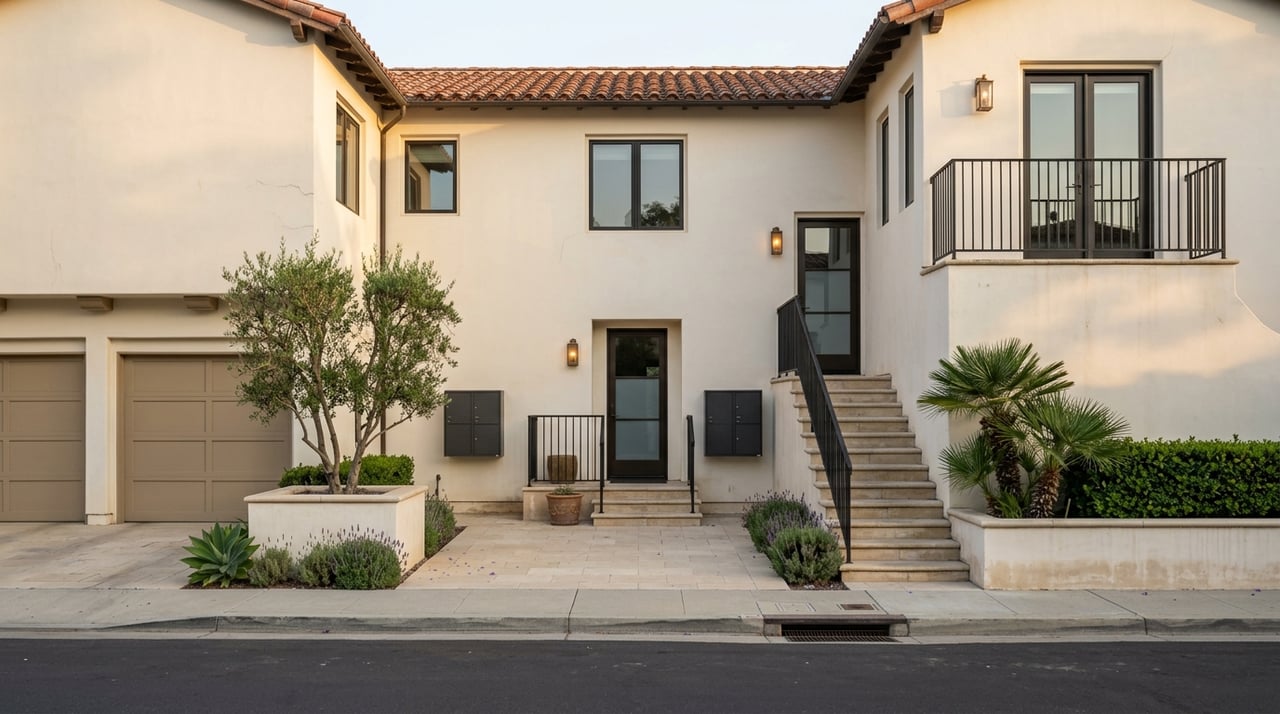
Thinking about buying a duplex, triplex, or fourplex in San Pedro? You are not alone. In a coastal market where home values are high and rental demand matters, small multi-unit homes can offer a practical path to homeownership, income, or long-term investment growth. The key is knowing how San Pedro’s pricing, financing options, and Los Angeles rental rules shape the numbers before you buy. Let’s dive in.
San Pedro has a distinct place in the South Bay and greater Los Angeles market. The City of Los Angeles describes it as a community shaped by the Port and waterfront, while still keeping a small-town feel, according to the San Pedro Community Plan Area. That mix of coastal location and neighborhood identity helps explain why buyers continue to look closely at small multifamily properties here.
Price is a big part of the story. Recent market snapshots cited in the research place San Pedro around $836,613 in typical home value and about $830,000 for median home sale or listing price, with median rent around $2,712 per month in February 2026. In other words, you are usually underwriting a coastal price point in San Pedro, not chasing a low-cost entry market.
That matters because a duplex or triplex here often needs to work in more than one way. For some buyers, it is a home with income potential. For others, it is a long-term asset in a supply-constrained coastal area. Either way, your success depends on realistic underwriting.
Small multifamily usually means a 2-unit, 3-unit, or 4-unit residential property. That includes duplexes, triplexes, and fourplexes. These homes are sometimes called part of the housing “missing middle,” and Fannie Mae notes that 2-4-unit properties make up a meaningful part of the housing stock and rental supply in the U.S., rather than a niche category, according to its white paper on 2-4-unit housing.
In San Pedro, that makes these properties appealing to several kinds of buyers:
Your financing options can look very different depending on how you plan to use the property. If you will live in one unit as your principal residence, the financing path may be much more flexible than if you buy strictly as an investment.
Fannie Mae’s eligibility matrix allows up to 95% loan-to-value for 2-4-unit principal residence purchases. Freddie Mac shows the same 95% ceiling for primary residence purchases in this category, while conventional investment purchases are typically capped at 75% LTV for 2-4-unit properties, based on the current Fannie Mae eligibility matrix. That is a major difference in upfront cash required.
FHA can also be relevant if you plan to occupy the property. HUD states that its FHA 203(b) program is available for principal residences, covers one-to-four unit properties, and may allow approximately 96.5% financing. In practice, lender overlays and property condition can affect what is truly available, but FHA is still worth discussing early if you are exploring house-hacking or lower-down-payment options.
One of the biggest mistakes buyers make is assuming projected rent will offset the mortgage dollar for dollar. It usually will not, at least not in the lender’s eyes.
Freddie Mac says lenders generally use 75% of gross monthly rent, with the remaining 25% treated as vacancy loss and maintenance expense. Fannie Mae’s Desktop Underwriter guidance also reflects that same 75% approach for 2-4-unit primary residences when only gross rent is provided, based on the Freddie Mac rental income guidance.
That means if you are counting on rent to help you qualify, you should build in a cushion. It also means your personal budget and reserves matter. A property can still be a smart buy, but your plan should work even if rent is lower than expected, a unit turns over, or repairs show up early.
In Los Angeles, rent regulation is one of the most important parts of small multifamily due diligence. If you are buying in San Pedro, you need to understand both the city’s Rent Stabilization Ordinance and California’s statewide rent cap law.
The Los Angeles Housing Department says the city’s Rent Stabilization Ordinance generally covers rental properties built on or before October 1, 1978. It specifically includes duplexes and two or more single-family dwelling units on the same parcel. LAHD also states that the allowable annual increase for current RSO units is 3% from July 1, 2025 through June 30, 2026.
Properties built after that date are generally not subject to the RSO, though they may still be subject to the city’s Just Cause rules. That is why the year built is not just a listing detail. It can directly affect your operating strategy.
California’s AB 1482 adds another layer. The law generally caps rent increases for covered units at 5% plus CPI or 10% total, whichever is lower. It also includes an important owner-occupied duplex exemption for a property with two separate dwelling units in one structure, if the owner occupied one unit at the start of the tenancy and continues to occupy it, according to the California Civil Code text.
That explicit exemption does not apply in the same way to triplexes. So if you are comparing a duplex and triplex in San Pedro, the difference is not just unit count. It may also affect how future rent rules apply.
If rent increases during a tenancy are limited, where does income growth come from? Often, the biggest reset opportunity comes at turnover.
The California Attorney General explains that under AB 1482, when tenants move out and new tenants move in, a landlord may establish the initial rent for the new tenancy, as explained in its landlord-tenant overview. For buyers, that means you should not underwrite a San Pedro small multifamily deal based only on annual rent bumps. You should also think carefully about lease timing, unit condition, and realistic turnover assumptions.
That does not mean betting on vacancies. It means understanding where revenue flexibility actually exists under current rules.
Owning a small multi-unit home in San Pedro is not just about collecting rent. It also means staying current on city registration and compliance requirements.
LAHD says all units rented or offered for rent must be registered annually, and if you live in one unit and rent the others, the Rent Registry is still required. The owner-occupied unit may qualify for a temporary exemption from the registration fee, but it still needs to be handled correctly.
For many owner-occupants, this is an overlooked part of buying a duplex or triplex. You may be purchasing a home, but you are also stepping into a regulated ownership role with deadlines, notices, and documentation responsibilities.
Many small multifamily opportunities in San Pedro are older properties. That can create value, but it can also mean more repair, retrofit, and compliance exposure.
LAHD notes that proposed work on RSO properties may fall under the Tenant Habitability Program, and it also points to earthquake retrofit requirements for certain soft-story wood-frame and non-ductile concrete buildings. This is where buyers need to look beyond paint, flooring, and curb appeal.
Before closing, verify:
LAHD points buyers to ZIMAS for checking RSO status through its RSO guidance. In practical terms, that means your inspection period should include both physical review and regulatory review.
There is no one-size-fits-all answer. An owner-occupant with one rental unit may feel comfortable managing leasing, rent collection, and maintenance directly. A buyer living elsewhere may find that local management support is worth the cost.
In Los Angeles, management is not only about convenience. It can also help with registration deadlines, notices, maintenance coordination, and habitability-related work. For a San Pedro property with older systems or long-term tenants, that support can make ownership much smoother.
The right choice depends on your time, experience, and how hands-on you want to be. What matters most is that you account for management, even if that line item is your own time.
If you are serious about investing in a small multi-unit home in San Pedro, focus on these questions before you write an offer:
In a market like San Pedro, good opportunities are often won before closing, during underwriting and due diligence. The more clearly you understand the rules, the better positioned you are to buy with confidence.
Small multi-unit homes in San Pedro can be compelling because they combine residential use, rental income potential, and long-term ownership in a coastal Los Angeles market. But they are rarely simple. Financing standards, rent rules, annual registration, and building condition all shape whether a deal truly works.
If you are considering a duplex, triplex, or fourplex in San Pedro, the smartest move is to look beyond the headline rent and ask better questions early. With careful analysis and local guidance, you can make a more confident decision about whether a property fits your goals. If you want help evaluating opportunities in the South Bay, connect with Adela Randazzo for thoughtful, local real estate guidance.


What Fall Home Buying Actually Looks Like on the Palos Verdes Peninsula.
Experience a team dedicated to your success—offering expert guidance, proven market strategies, and a seamless real estate journey from start to finish.
Randazzo Real Estate
(424) 400-8970
[email protected]
Adela Randazzo | CA DRE# 01954846
28901 S Western Ave Ste #107
Rancho Palos Verdes CA 90275