
September 24, 2026
Everyone who has spent enough afternoons walking Paseo del Mar in the Palisades knows the fence. It runs along the clifftop where Point Fermin's tidy lawns give way to broken concrete and rebar, the remains of a neighborhood that slid into the Pacific starting in 1929, when the ground beneath it was measured shifting eleven inches a day. Locals call it Sunken City. The fence has kept it officially closed for almost forty years, and just as long, people have gone in anyway.
What's different this September isn't the fence. It's that a formal application to replace it just went through a public comment period, the kind with a filing, a hearing, and a deadline. That's not something either of the two previous attempts to open this stretch of coastline ever produced.
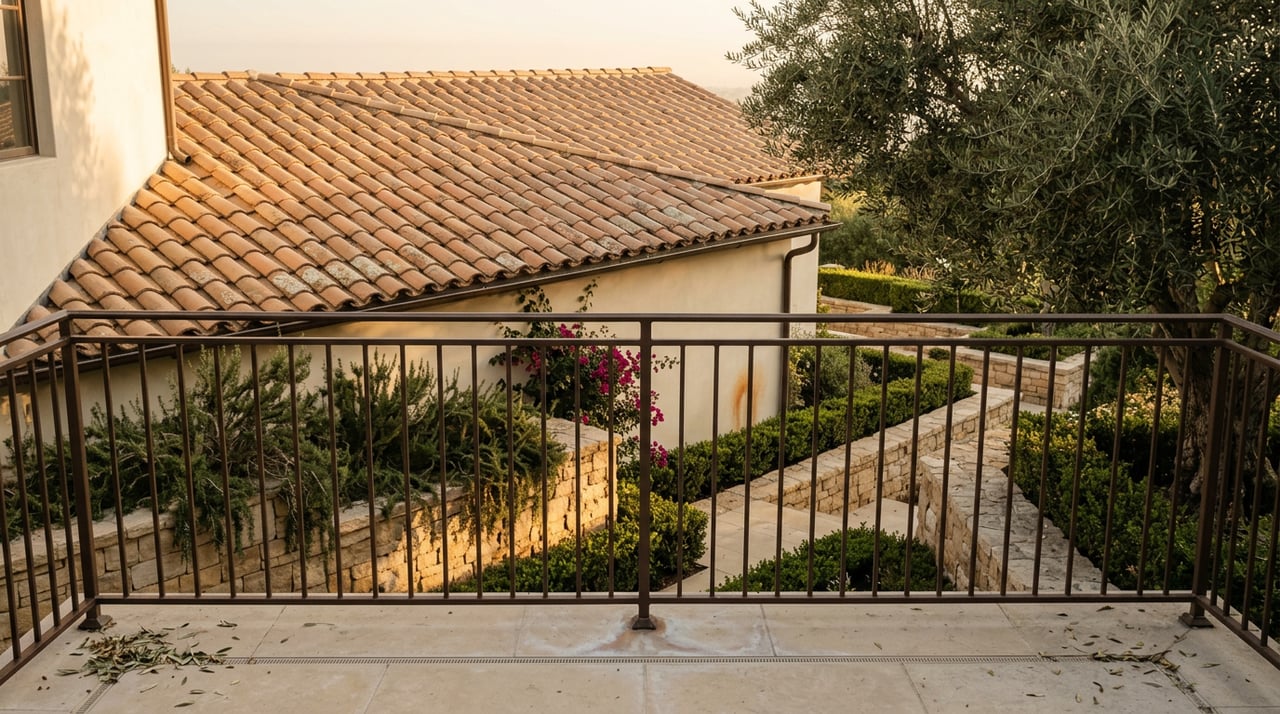
The current wrought-iron fence went up in 1987, after years of resident complaints about late-night parties and vandalism at the site. It cost the city more than $200,000 and was meant to end the trespassing problem. It didn't. Two years later, then-Councilwoman Joan Milke Flores floated a plan to pair that fence with a regulated nature trail, gated and supervised, so the public could see the ruins legally. The gates were never built. The plan quietly disappeared.
The idea resurfaced in 2015 under Councilman Joe Buscaino, who proposed daylight-only access through a gate that would lock automatically at sunset. Advocates went as far as commissioning a legal opinion from the Hermosa Beach firm Chatten-Brown & Carstens, which concluded the city would face little to no liability if the site opened to the public. Even with that opinion in hand, the Buscaino plan never landed on a timeline, let alone a permit.
Two councilmembers, two proposals, zero coastal development permits filed. That's the pattern worth noticing, because it's the pattern this year's effort breaks.
The plan currently moving through the city's review process, reported by Random Lengths News on September 8, calls for a 4- to 6-foot safety fence along the clifftop near Pacific Avenue and Gaffey Street, along with warning signage, emergency and maintenance access gates, and a designated public access area. A public meeting on the plan already happened. The written comment window that followed it closed September 10.
That last detail matters more than it sounds like it should. A coastal development permit application is a specific legal instrument under the California Coastal Act, and it comes with procedural obligations: public notice, a comment period, a decision that can be approved, denied, or approved with conditions. Neither the 1989 plan nor the 2015 push generated that kind of paper trail. This one has.
Sophie Gilchrist, communications director for Councilmember Tim McOsker, whose district includes the Harbor Area, told LAist that the new fence design is what's driving the permit requirement, and that the review process itself could take months. Her office has told nearby residents to expect the fuller reopening could take another full year. As she put it:
"While we don't have a precise timeline for reopening, we have informed the local neighbors that it may take another full year. The project is actively moving forward."
Compare that to what the neighborhood got in 1989 and 2015: no filing, no comment period, no stated year. A vague "someday" isn't the same thing as a permit under review, even a slow one.
A year sounds like a long time until you remember the alternative has been decades. The fence that's up right now was installed the same year Ronald Reagan started his second term's final stretch. The site has had five documented cliffside deaths in a single three-day span, back in 2003, and it continues to draw people who climb or slip through gaps in the barrier regardless of what the signage says. A permitted redesign with a formal viewing area doesn't erase that history, but it's the first proposal in this site's regulatory life that comes with an actual clock attached to it rather than a councilmember's hope.
For anyone who already lives within walking distance in the Palisades, the practical upshot for now is: nothing changes yet. The fence you've walked past for years is the fence that's still there. What changes is that the next time you hear about Sunken City in the news, it's worth checking whether the story is about another proposal or about an actual construction timeline, because this permit process is the mechanism that would finally tell the difference.
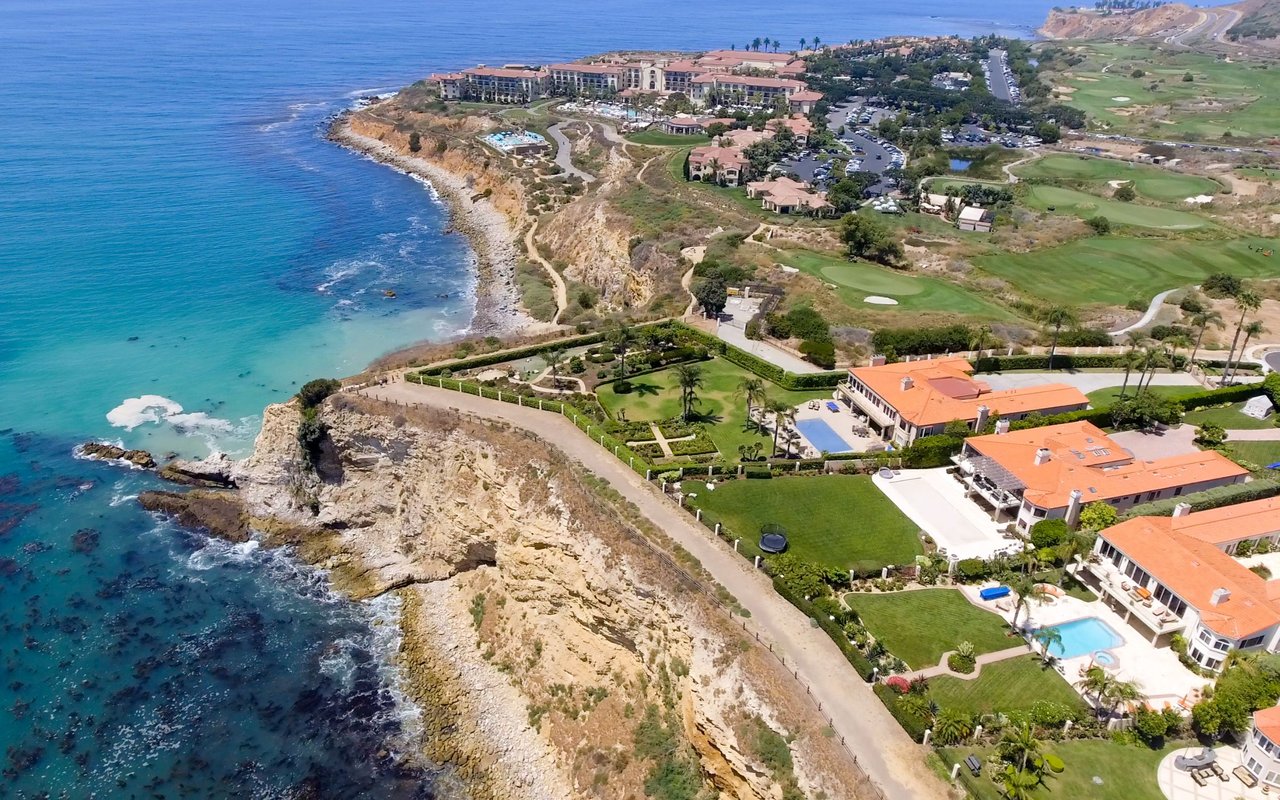
While Sunken City sits in review, the rest of this stretch of coastline keeps operating on its own, fully legal schedule. A short walk up Paseo del Mar from the fence line sits the White Point Nature Preserve, 102 acres of restored coastal sage scrub managed by the Palos Verdes Peninsula Land Conservancy. The preserve runs a free guided nature walk most Saturdays this fall, with dates on the calendar for September 19, September 26, and October 3, plus a monthly bird walk led by naturalist Bob Shanman and a native plant garden tour on the fourth Saturday of most months. It's the same bluff, the same coastal sage, the same ocean view toward Catalina, minus the fence and the trespassing citation.
Point Fermin Park itself, just past the ruins, offers the version of this landscape that's been open the whole time: 37 acres of lawn and cliffside trail, the 1874 Point Fermin Lighthouse, the Korean Friendship Bell donated in 1976, and harbor seals that haul out on the rocks below the bluff on any given afternoon. None of that requires a permit review to enjoy. It's already yours.
Sunken City isn't the only piece of this stretch caught between informal and official. A block away, Walker's Cafe, the diner that's fed longshoremen, bikers, and Point Fermin regulars since 1946, has sat shuttered since 2021 while a preservation fight plays out over a proposed two-story residence on the lot next door, one that neighbors argue would crowd out the cafe's operating space entirely. The Point Fermin Historic District itself only joined the National Register of Historic Places in 2021. Taken together, this small corner of the coast is in the middle of formalizing itself, park by park, permit by permit, after decades of running on habit and informal agreement.
That's the real story behind the fence proposal. It's not really about whether people can finally see the ruins up close. It's about a neighborhood where the unofficial version of things, the hole in the fence, the diner that ran on a handshake for seventy-five years, is slowly being asked to become the official version. Whether that's a net gain depends on what you valued about the informal version in the first place.
If you're watching this stretch of the Palisades and San Pedro coastline for reasons that go beyond an afternoon walk, whether that's tracking how a neighborhood evolves or wondering what a home near a landmark like this is actually worth today, the team at Randazzo Real Estate knows this coastline block by block. Request a free home valuation and we'll walk you through what's changing here and what it means for your property, with the same attention to detail we'd want if it were our own street.
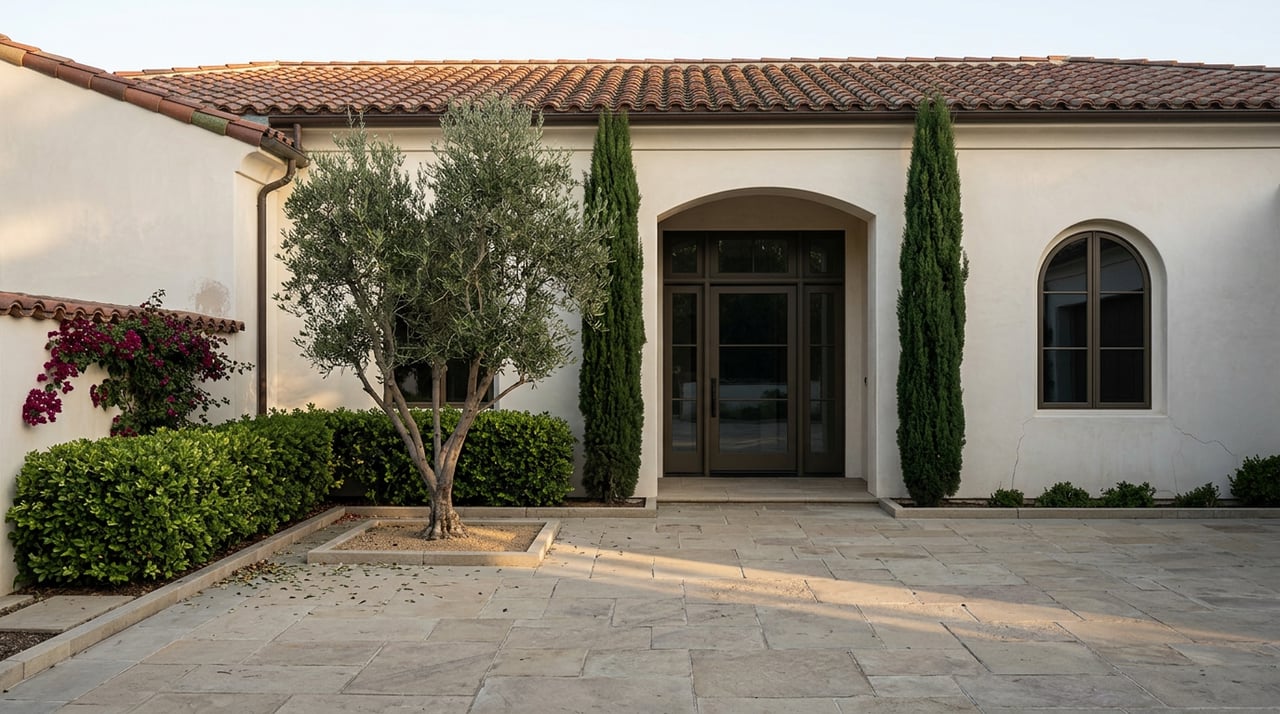
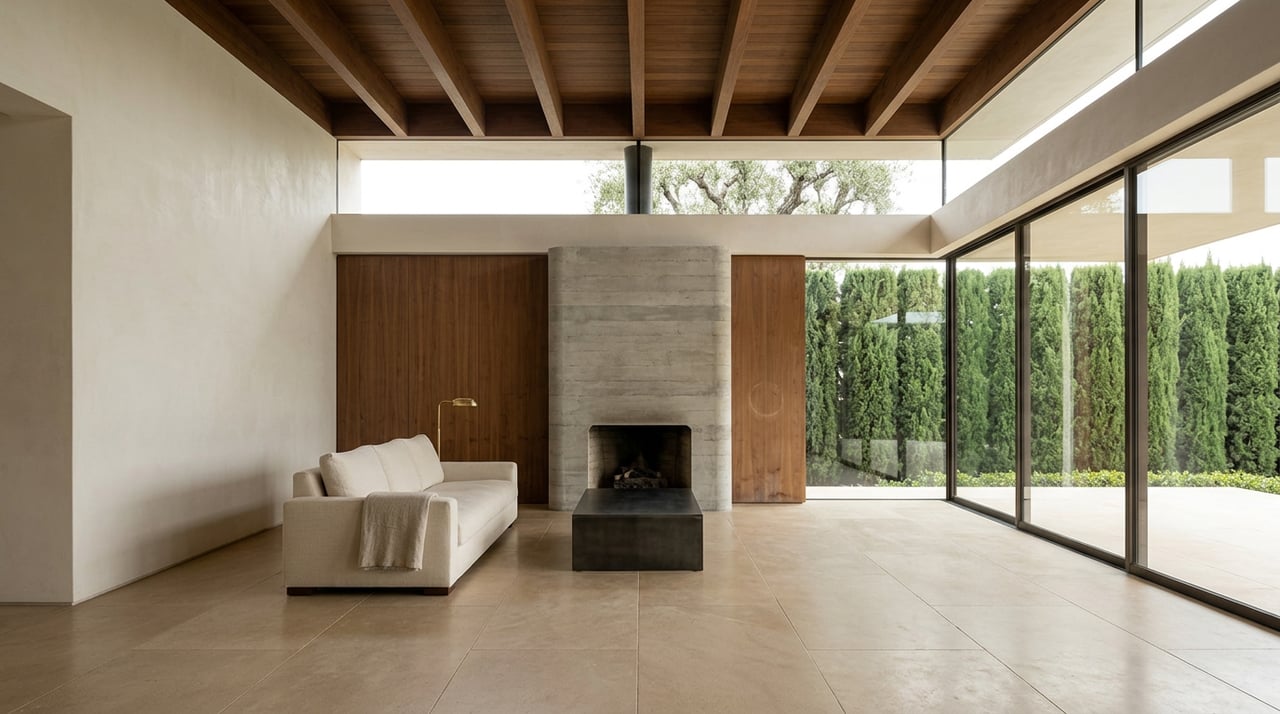



What Fall Home Buying Actually Looks Like on the Palos Verdes Peninsula.
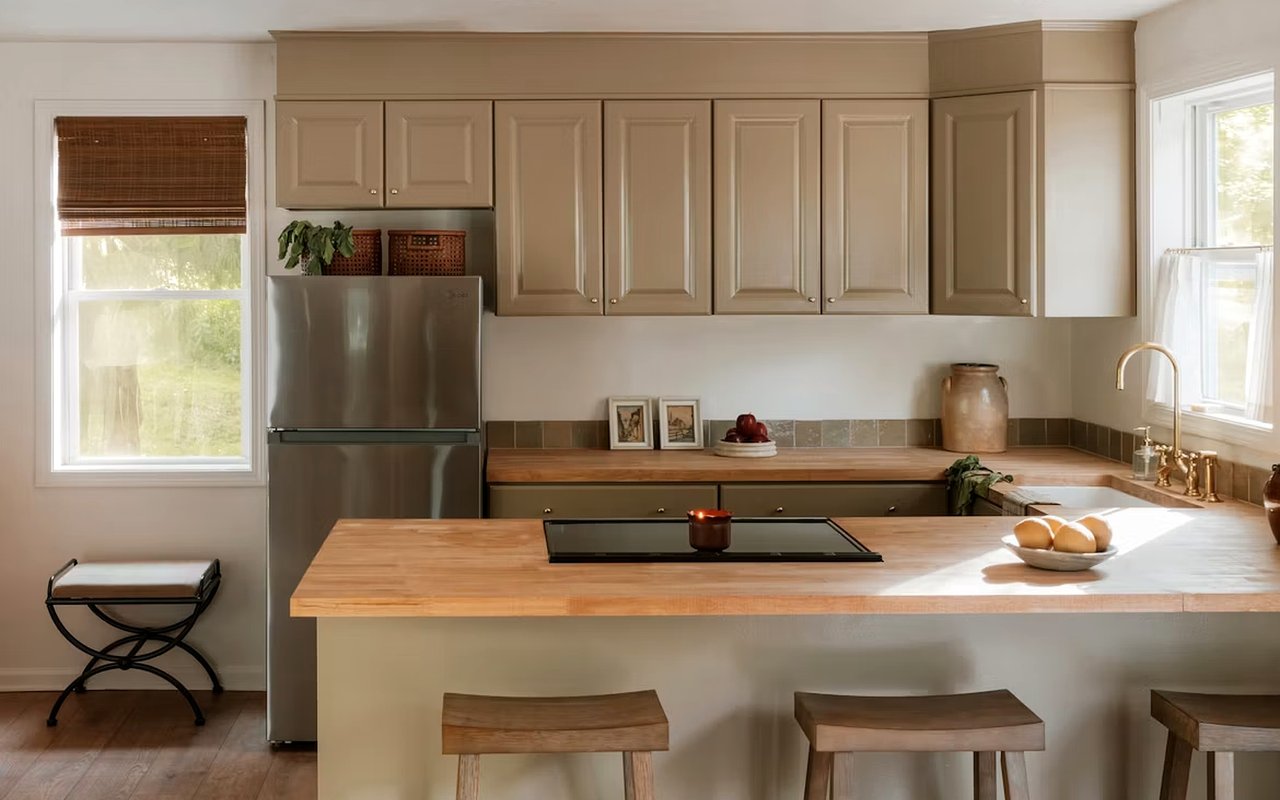
A Realistic Look at Palos Verdes Peninsula Home Affordability.
Experience a team dedicated to your success—offering expert guidance, proven market strategies, and a seamless real estate journey from start to finish.
Randazzo Real Estate
(424) 400-8970
[email protected]
Adela Randazzo | CA DRE# 01954846
28901 S Western Ave Ste #107
Rancho Palos Verdes CA 90275