By Randazzo Real Estate
We get this question every year around this time, and the honest answer starts with letting go of what "fall" usually means. Out here, autumn doesn't bring falling leaves or a drop into cold, wet weather, it often brings some of the clearest, warmest days of the entire year. Here's why fall can genuinely be a strong time to buy on the Peninsula, and what we'd want any buyer to know before touring homes this time of year.
Key Takeaways
- The Peninsula's dry season actually runs from March through November
- September and October often bring the year's warmest, clearest weather
- Buyer competition tends to ease up compared to the spring and summer rush
- Some sellers are genuinely motivated to close before the end of the year
Why Fall Doesn't Mean What You Might Expect Here
If you're picturing fall the way it looks in most of the country, with cooling temperatures and a shift toward rain, that's not really how it plays out on the Peninsula. Our dry season actually runs from March all the way through November, so fall here is still solidly within the dry stretch of the year, not a transition into wet weather. Understanding this upfront changes how you should think about touring homes and judging a property's curb appeal this time of year.
What Actually Changes Here in Fall
- Temperatures that often stay comfortable well into November
- No real shift toward rain until closer to December
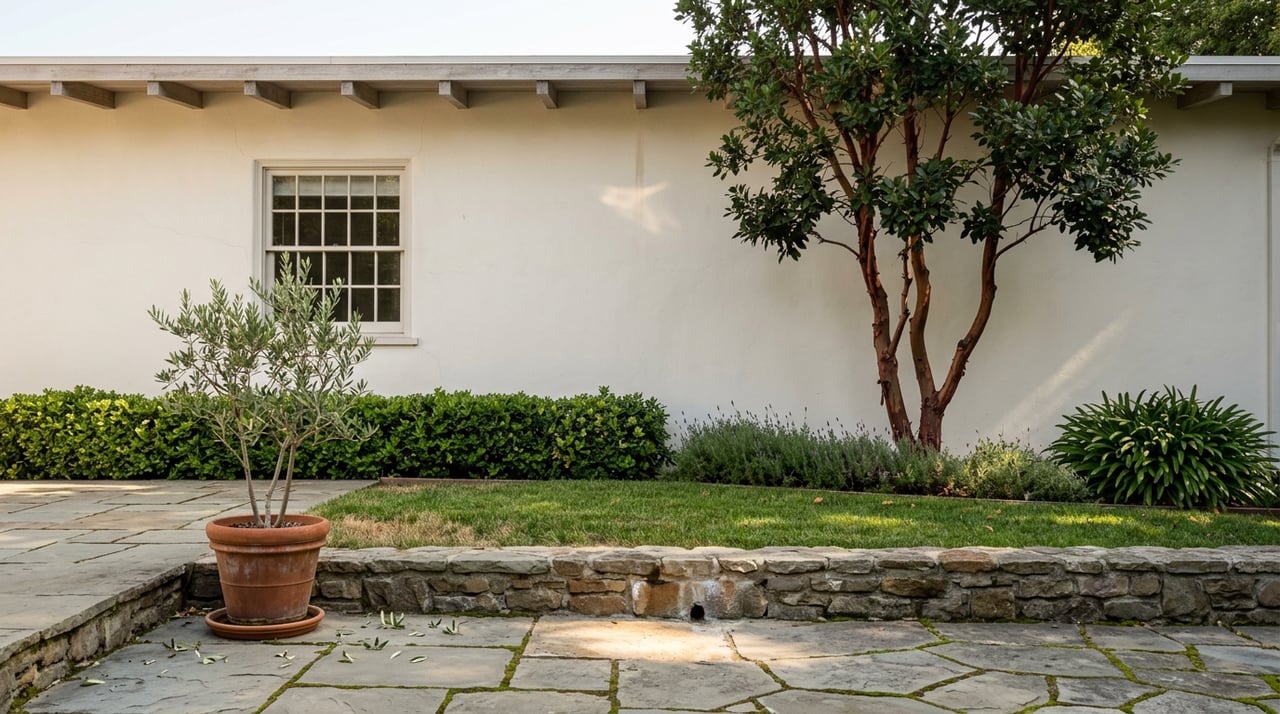
- Landscaping and outdoor spaces that still show well without a wet-season reset
- A noticeably different rhythm than the "leaves change, buyers rush" narrative elsewhere
The Weather Advantage: Why September and October Often Shine
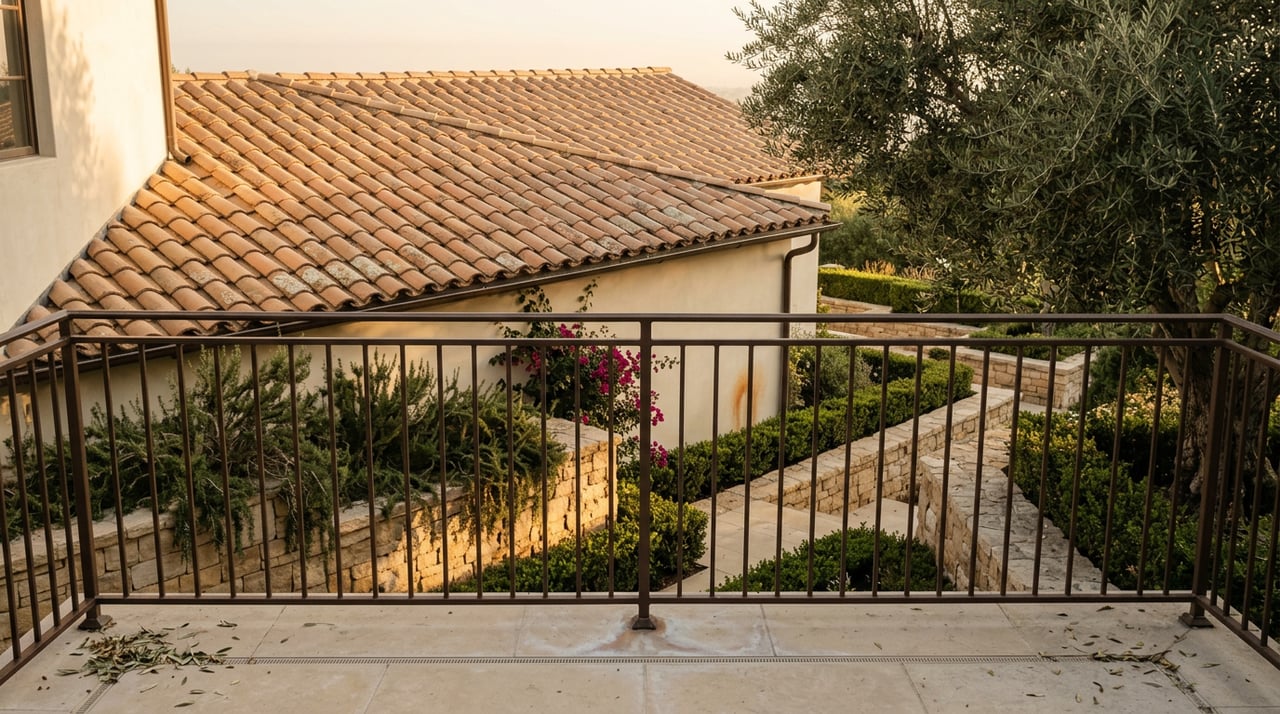
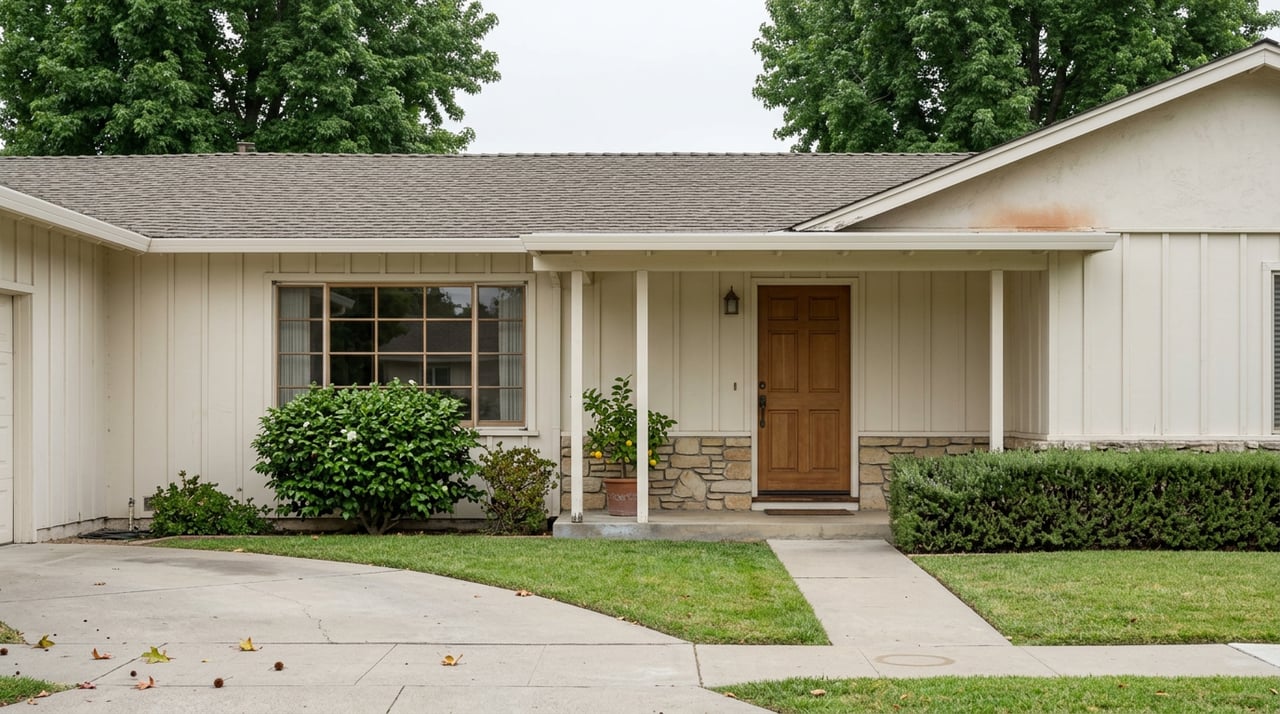
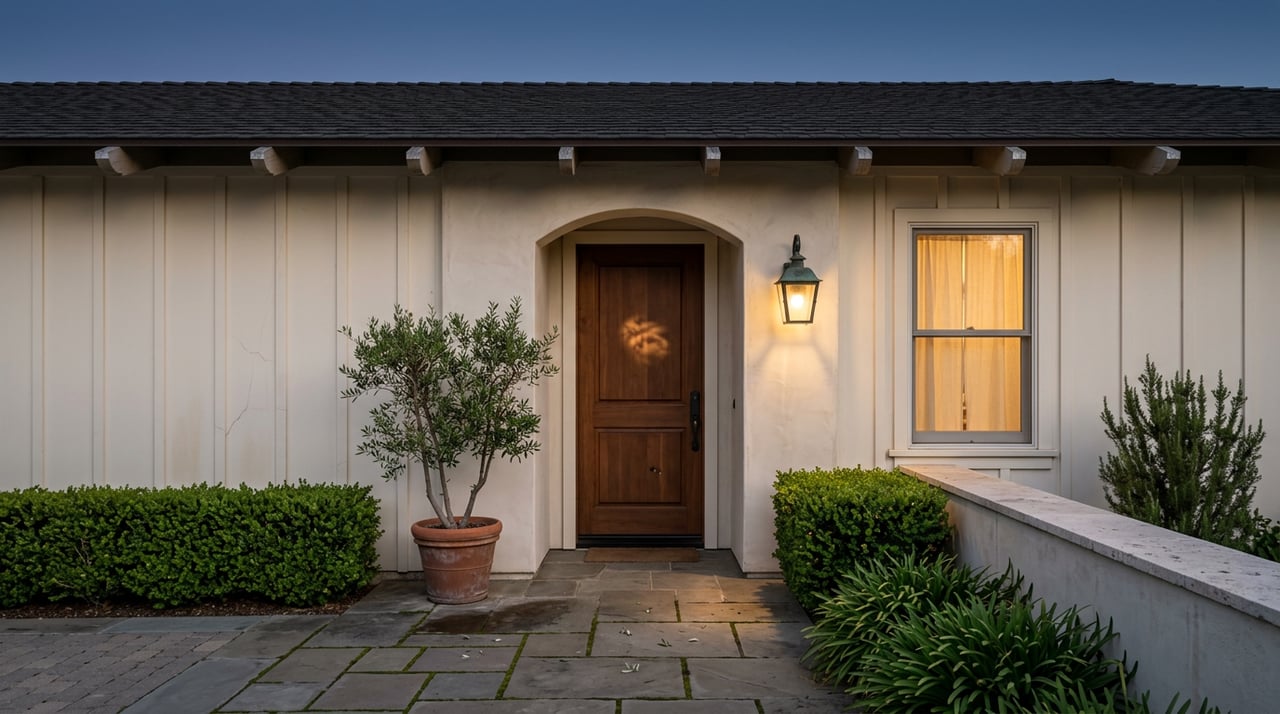
Coastal spots on the Peninsula deal with a marine layer that can keep early summer mornings cool and overcast, but that layer typically clears up by September, leaving some of the warmest, sunniest stretches of the whole year. That means a home touring in September or October can genuinely show better, with clearer skies and warmer temperatures than a buyer might have seen touring the same home back in June. It's one of the more pleasant surprises for buyers moving here from a market with a more traditional fall.
Why This Timing Can Work in Your Favor
- Clearer skies once the early summer marine layer typically lifts
- Warmer, more comfortable temperatures for touring homes and outdoor spaces
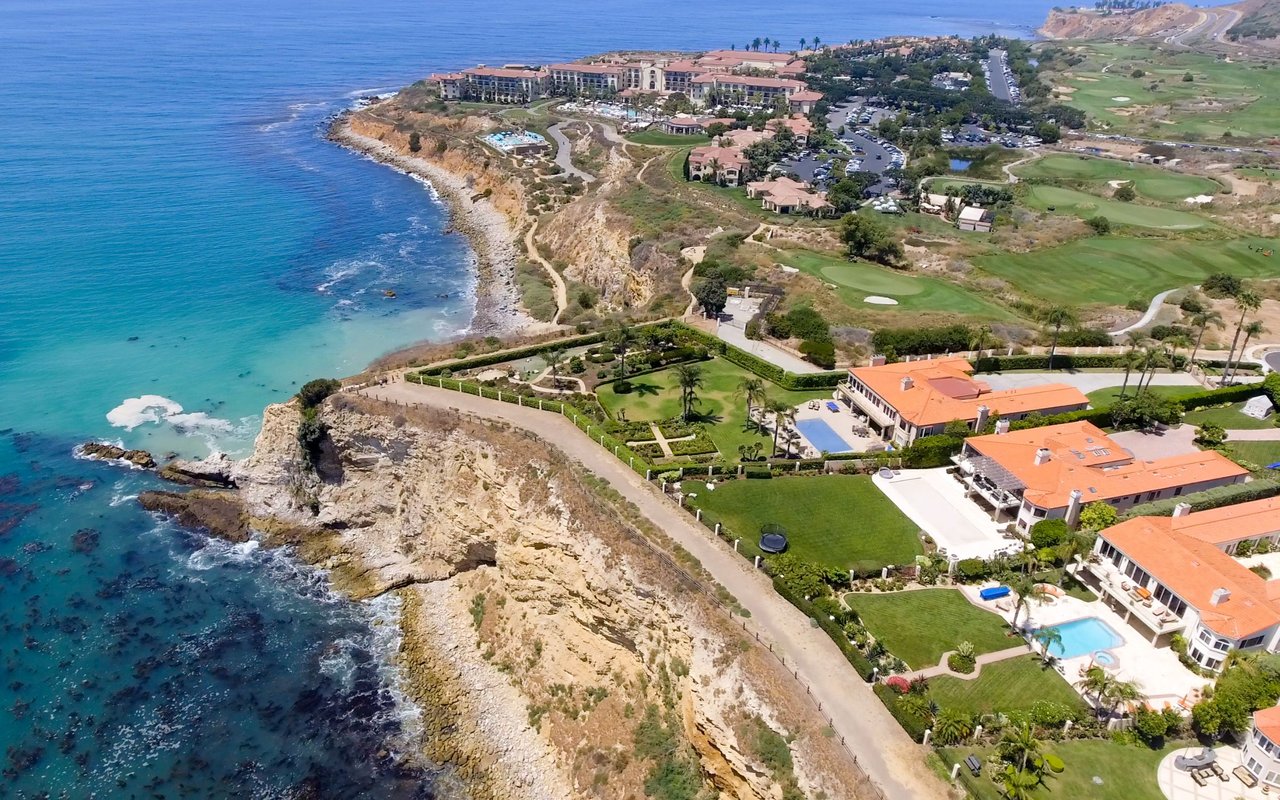
- Ocean and coastal views that often show at their best this time of year
- Landscaping that hasn't yet dealt with any winter rain
Less Competition Than the Spring and Summer Rush
Buyer activity nationally, and here on the Peninsula, tends to ease up once summer ends, largely because families with school-age kids have generally already made their move before the school year starts. That can mean less competition for a buyer touring homes in the fall, without necessarily giving up the pleasant weather that spring buyers are usually chasing. It's a combination that doesn't show up in every market.
What Less Competition Can Mean for You
- Fewer buyers touring the same listings you're interested in
- Potentially more room to negotiate on price or terms
- Less pressure to make a rushed decision on a competitive listing
- More attention from your agent and lenders during a quieter stretch
Motivated Sellers Before Year-End
Some sellers genuinely want to close before the end of the calendar year, whether for tax planning, a job relocation, or simply wanting to start the new year in a new home. That motivation can translate into more flexibility on price or terms than you might find earlier in the year. We watch for these situations closely, since a motivated fall seller can be a real advantage for the right buyer.
Signs of a Motivated Fall Seller
- A listing that's been on the market since summer without much movement
- A seller who has already purchased or is relocating for a new job
- Flexibility on closing timeline to accommodate a buyer's needs
- Openness to negotiating price or covering certain closing costs
What to Watch For Heading Into Winter
While fall itself tends to bring great weather, it's worth remembering that the wet season does eventually arrive, typically picking up in December. If you're touring a home in late fall with plans to close in winter, it's worth asking how the property handles rain, drainage, and any hillside or slope conditions specific to the Peninsula. A few extra questions now can save a real headache once the rain actually shows up.
Questions Worth Asking as Winter Approaches
- How the property's drainage handles heavier winter rain
- Whether there's any history of erosion or slope movement on sloped lots
- How landscaping and hardscaping hold up once the rain returns
- Whether closing timelines account for any holiday-season scheduling delays
FAQs
Is fall really a good time to buy here, or is that just a sales pitch?
We genuinely think it's one of the better times, mainly because of the weather and the lighter buyer competition. It's not a guarantee for every listing, but the conditions tend to work in a buyer's favor.
Does the Peninsula actually get real rain in the winter?
We'd say yes, though it's still fairly mild compared to a lot of the country. Most of our rain falls between December and February, so fall stays largely dry.
Should we wait until spring instead if we're not in a rush?
We wouldn't necessarily recommend waiting, since fall often brings less competition without sacrificing much in terms of weather. It really depends on your specific timeline and what's available right now.
Contact Randazzo Real Estate Today
Fall is one of our favorite times to help buyers tour homes on the Peninsula, and we're happy to walk you through what's available right now. We can help you weigh the advantages of buying this time of year against your own timeline.
Reach out to
Randazzo Real Estate, and let's talk about what fall home buying could look like for you on the Palos Verdes Peninsula.