
Seller Tips Randazzo Real Estate July 2, 2026
If you’re thinking about selling in Rolling Hills Estates, one big question can shape everything that follows: should you remodel first, or sell as is? It’s a fair question, especially when you want to protect your bottom line without taking on work, delays, or surprise costs. The good news is that there is a smart way to weigh your options, and it starts with understanding what today’s local market is likely to reward. Let’s dive in.
Rolling Hills Estates is not the kind of market where every renovation automatically pays you back. Redfin reports a May 2026 median sale price of $1,798,923, down 10.1% year over year, with homes averaging 35 days on market and 32 closed sales that month. Realtor.com reports a 49-day median, a 99% sale-to-list ratio, and describes the market as balanced.
Taken together, those numbers point to a market where buyers are active, but also selective. In other words, condition and pricing still matter. If your home needs work, buyers may notice quickly and adjust their offers accordingly.
The local housing profile also supports that idea. Census data shows an 89.8% owner-occupied rate, a median owner-occupied home value of $1,602,300, and median household income of $187,500. The city’s adopted housing element also says 97% of housing units are single-family homes, which means buyers are often comparing your property against other established homes where upkeep and presentation can stand out.
Large remodels can sound appealing because they promise a fresh, polished result. But in Rolling Hills Estates, the cost and timeline can be more complicated than many sellers expect. That is especially true when the project goes beyond cosmetic updates and moves into structural, systems, or expansion work.
The city’s housing element says 54.5% of housing is older than 50 years. It also notes that homes older than 30 years often need minor repairs and modernization, while homes older than 50 years are more likely to need major rehabilitation such as roofing, plumbing, and electrical repairs.
That older housing stock can create a snowball effect during remodeling. What starts as a kitchen or bath update can uncover aging systems, code issues, or other repairs that raise costs. For sellers trying to prepare for market, that uncertainty can make a full remodel harder to justify.
Site conditions can add another layer. The city notes that the smallest single-family lot size is 10,000 square feet and that Rolling Hills Estates is hilly and located in a Very High Fire Severity Zone. For larger remodels or additions, those factors can increase grading, fire-safety, and geotechnical complexity.
Then there is the permit process. According to the city’s Building & Safety information, major work goes through the permit process, may require HOA review, and requires inspections before final approval. That does not mean you should never remodel, but it does mean the timeline and soft costs can become meaningful before you ever list the home.
If you are going to spend money before selling, the strongest resale case usually comes from smaller, visible, buyer-friendly improvements. National data points in a clear direction here. Zonda’s 2025 Cost vs. Value report says 8 of the top 10 remodeling projects for resale are exterior replacements.
The top three projects were garage door replacement at 267.7% recouped, steel door replacement at 216.4%, and manufactured stone veneer at 207.9%. A minor kitchen remodel was the only interior project in the top five, at 112.9%. The broader takeaway is simple: exterior improvements often deliver more predictable resale value, while larger interior remodels can be more subjective.
NAR’s 2025 staging and remodeling reports support that same pattern. REALTORS® most often recommend decluttering, cleaning, and improving curb appeal before listing. They also frequently recommend painting the entire home, painting a room, and installing new roofing when needed.
That matters because these are the types of updates buyers notice right away. They help your home feel cared for, easier to picture living in, and less likely to trigger immediate repair concerns.
In Rolling Hills Estates, the most practical updates often fall into a short list of targeted improvements rather than a full overhaul.
Before you think about tearing out cabinets or redesigning bathrooms, start with the basics that shape first impressions. NAR reports that decluttering, cleaning, and curb appeal are among the most commonly recommended pre-listing steps. These updates are usually faster, more affordable, and easier to control.
That can include:
Exterior condition carries real weight at resale. Zonda’s data shows strong returns for projects like garage door and steel front door replacement. If your home has worn exterior elements that make the property feel dated or neglected, fixing those issues may help protect your list price and reduce buyer hesitation.
If the roof, plumbing, electrical, or another major system has a visible issue, buyers may treat it as a negotiation point right away. In a balanced market, that can translate into lower offers, longer time on market, or repeated requests for credits. Selective repairs that solve a clear problem can be more effective than expensive style-driven upgrades.
Staging can also play a role, especially when the home has good bones but needs help presenting its space clearly. In NAR’s staging report, 29% of agents said staging led to a 1% to 10% increase in the dollar value offered, and 49% said it reduced time on market. That does not guarantee a result, but it supports the case for thoughtful presentation over unnecessary construction.
Selling as is can be a strong option when your home is fundamentally solid and the needed work is more cosmetic or tied to personal taste. If the layout works, the systems are sound, and the house simply needs updating that a future buyer may want to customize anyway, it may not make sense to take on a major remodel.
This is often true for:
In those cases, a well-priced as-is sale paired with strong presentation can be the better path. You may avoid over-improving the property while still attracting serious buyers who want the location, lot, or long-term potential.
One important point: selling as is does not mean skipping disclosures. In California, Civil Code 1102 applies to most single-family residential transfers, and any waiver of those disclosure obligations is void as against public policy. The California Department of Real Estate says the Transfer Disclosure Statement covers the property’s physical condition and potential hazards or defects.
So if you sell as is, you are generally choosing not to make repairs before closing. You are not avoiding the responsibility to disclose known material facts about the property’s condition.
That distinction matters because some sellers assume “as is” creates a clean break from repair issues. In practice, it changes who handles the work, but not what must be shared with the buyer.
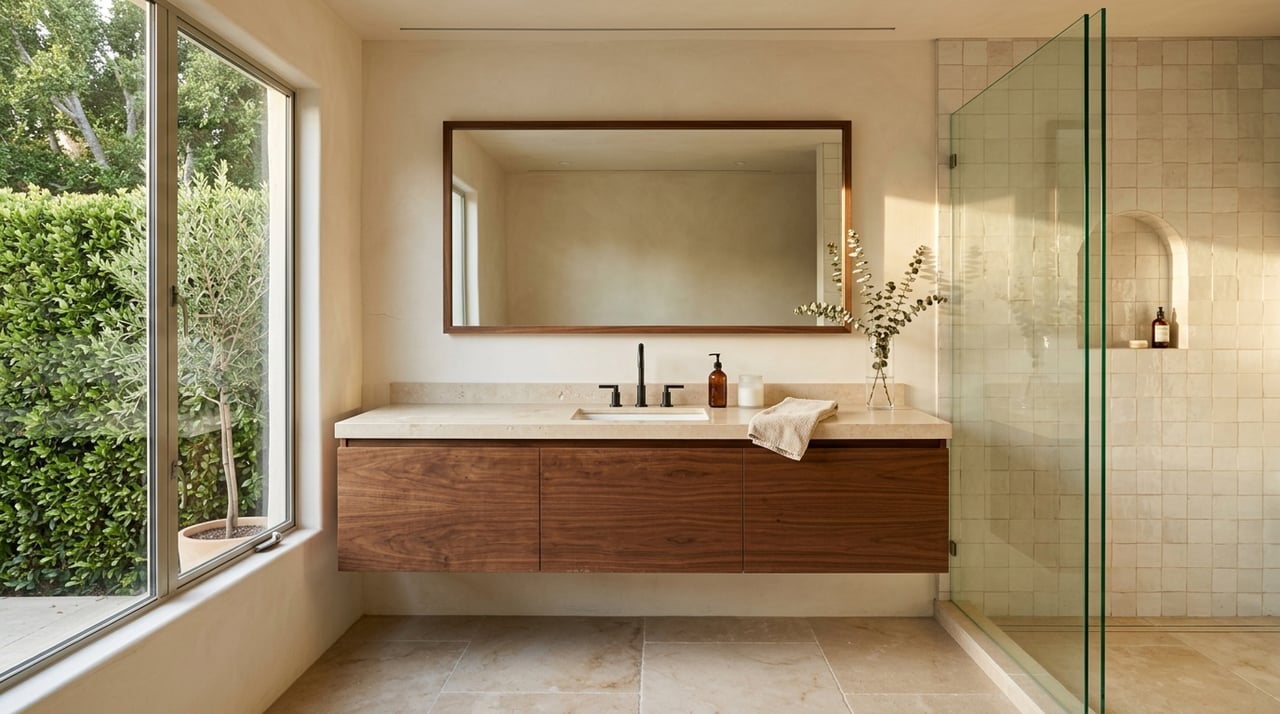
There are cases where pre-listing work can make a lot of sense. If your home has clear deferred maintenance, aging exterior elements, or major issues that will scare off buyers or shrink your pool of offers, selective upgrades may help you sell with less friction.
A remodel or repair is more likely to be worth considering when it:
The key is to stay disciplined. A targeted refresh can be smart. A large, taste-driven renovation without a clear resale gap to justify it is often a bigger gamble.
If you are unsure which route to take, this framework can help you make a grounded decision.
Because Zonda’s report is a national benchmark across 115 local markets, the final answer should come from local numbers. That means comparing contractor quotes, nearby comparable sales, and the likely time and permitting effort involved. In Rolling Hills Estates, that local analysis can be the difference between spending wisely and spending money you never fully get back.
Every property has its own story. In a market like Rolling Hills Estates, where homes are high-value, often older, and shaped by site-specific conditions, the smartest pre-sale plan is rarely one-size-fits-all.
Sometimes the best move is a clean, polished, well-marketed as-is listing. Other times, a focused set of repairs and presentation upgrades can strengthen your position and help you sell with more confidence. The goal is not to do the most work possible. The goal is to do the right work for your home, your timeline, and today’s market.
If you’re weighing whether to remodel or sell as is in Rolling Hills Estates, Adela Randazzo can help you compare the likely return, timing, and buyer response so you can move forward with a clear plan.

How the Right Contingencies Keep Your Earnest Money Safe in a California Home Purchase.

Finding a Rancho Palos Verdes Listing Agent Who Sells Your Home for What It's Worth.

Understanding the Equestrian Lifestyle That Defines Rolling Hills.

A Local's Guide to San Pedro's Coastal Summer Season.
Lifestyle
Experience a team dedicated to your success—offering expert guidance, proven market strategies, and a seamless real estate journey from start to finish.

Randazzo Real Estate
(424) 400-8970
[email protected]
Adela Randazzo | CA DRE# 01954846
28901 S Western Ave Ste #107
Rancho Palos Verdes CA 90275